The Migratory Superhighway of Southeast Asia: Why Wetlands, Mangroves, and Peatlands Matter to the Planet
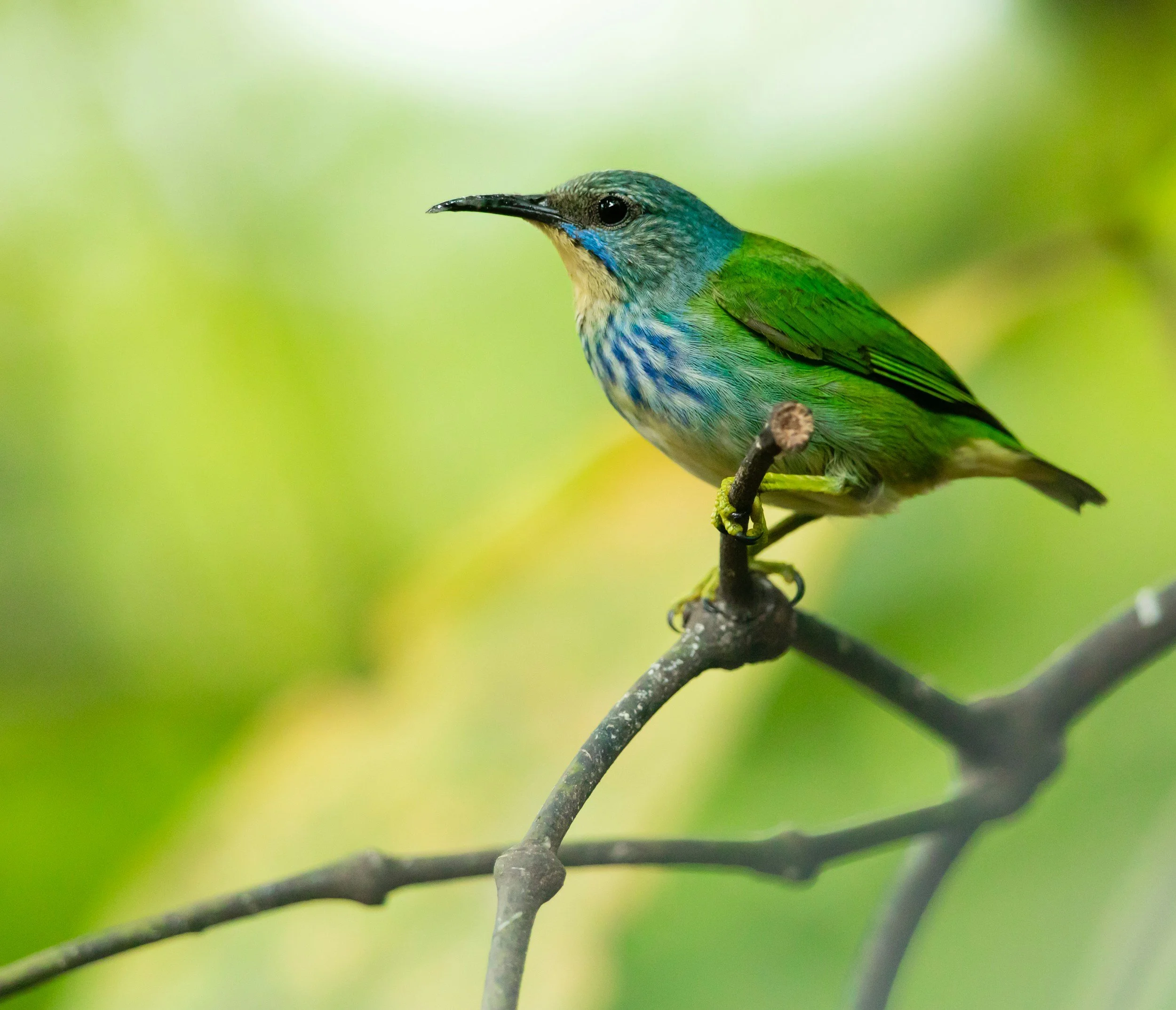
Every year, millions of birds undertake one of the most astonishing migrations on Earth.
They depart from the frozen forests and tundra of Siberia and Alaska, flying thousands of miles south toward Australia and New Zealand. Their route stretches across Southeast Asia, linking countries such as Indonesia, Vietnam, Thailand, Malaysia, Myanmar, and the Philippines.
This vast migration corridor is known as the East Asian–Australasian Flyway, one of the world’s eight major bird migration flyways.
But this extraordinary journey depends on something many people rarely think about:
wetlands, mangroves, mudflats, and peatlands.
These ecosystems are not just stopovers for birds. They are among the most important biodiversity hotspots and carbon storage systems on Earth.
And they are disappearing.
The Great Bird Migration Across Southeast Asia
Imagine beginning a journey in the frozen north of Siberia or Alaska and flying all the way to Australia.
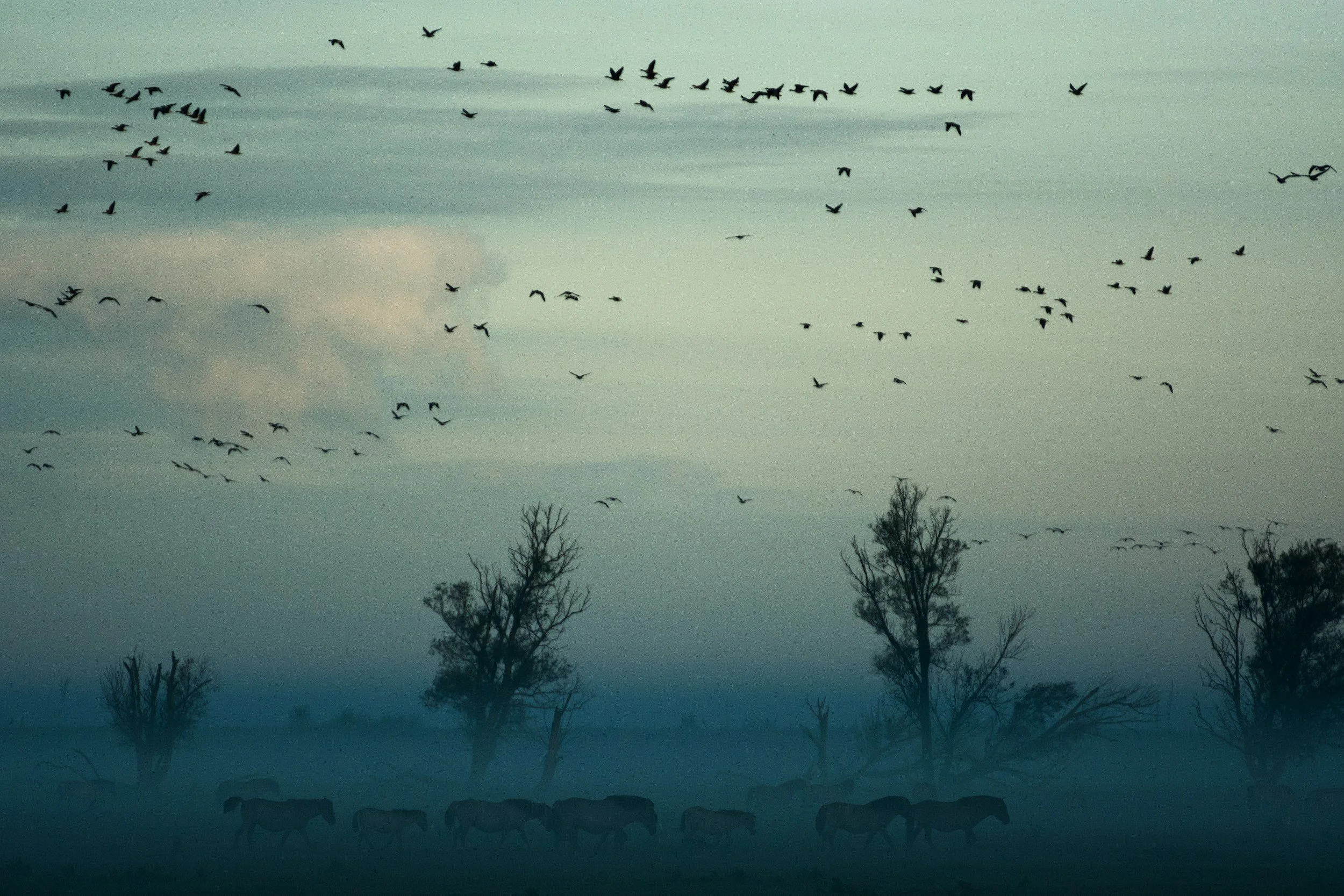
That is exactly what roughly 50 million migratory birds representing around 200 waterbird species do each year along the East Asian–Australasian Flyway.
These birds cannot make the journey in one continuous flight.
They rely on chains of coastal habitats across Southeast Asia where they can stop to rest, feed, and rebuild energy reserves before continuing south.
Across the region, there are approximately 180 Important Bird and Biodiversity Areas containing critical coastal wetlands. Indonesia alone contains dozens of these sites, while Malaysia, Vietnam, Thailand, the Philippines, and neighboring countries host many others.
Without these habitats, migration becomes impossible.
Why Mangroves and Mudflats Are Essential
The coastal ecosystems that sustain these migrations are incredibly rich and biologically important.
Among the most critical are mangrove forests.
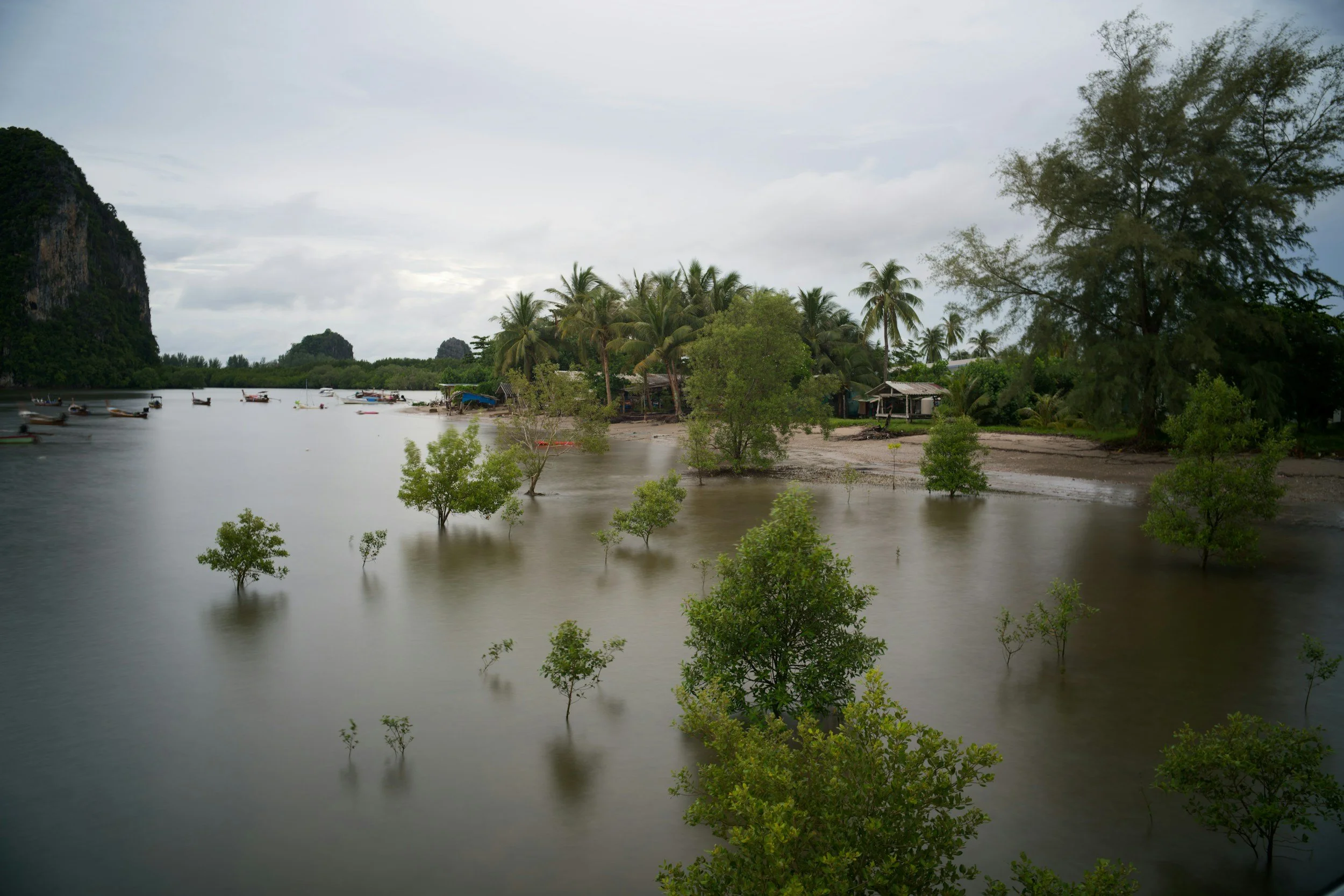
Mangroves grow along tropical coastlines where land meets saltwater. Their dense root systems create ideal habitat for nesting birds, feeding grounds, and shelter for wildlife.
But mangroves do far more than support birds.
They are also nurseries for marine life.
More than half of the world’s marine species begin part of their lives within coastal ecosystems like mangroves, where sheltered waters provide protection and abundant food.
Alongside mangroves are mudflats, shallow coastal zones that become critical feeding stations for migratory shorebirds.
For birds traveling thousands of miles, these stopovers are not optional.
They are survival infrastructure.
The Hidden Climate Powerhouses: Peatlands and Mangroves
When people think about carbon storage, they often think of tropical rainforests like the Amazon.
But some of the planet’s most powerful carbon storage systems are actually peatlands and mangroves.
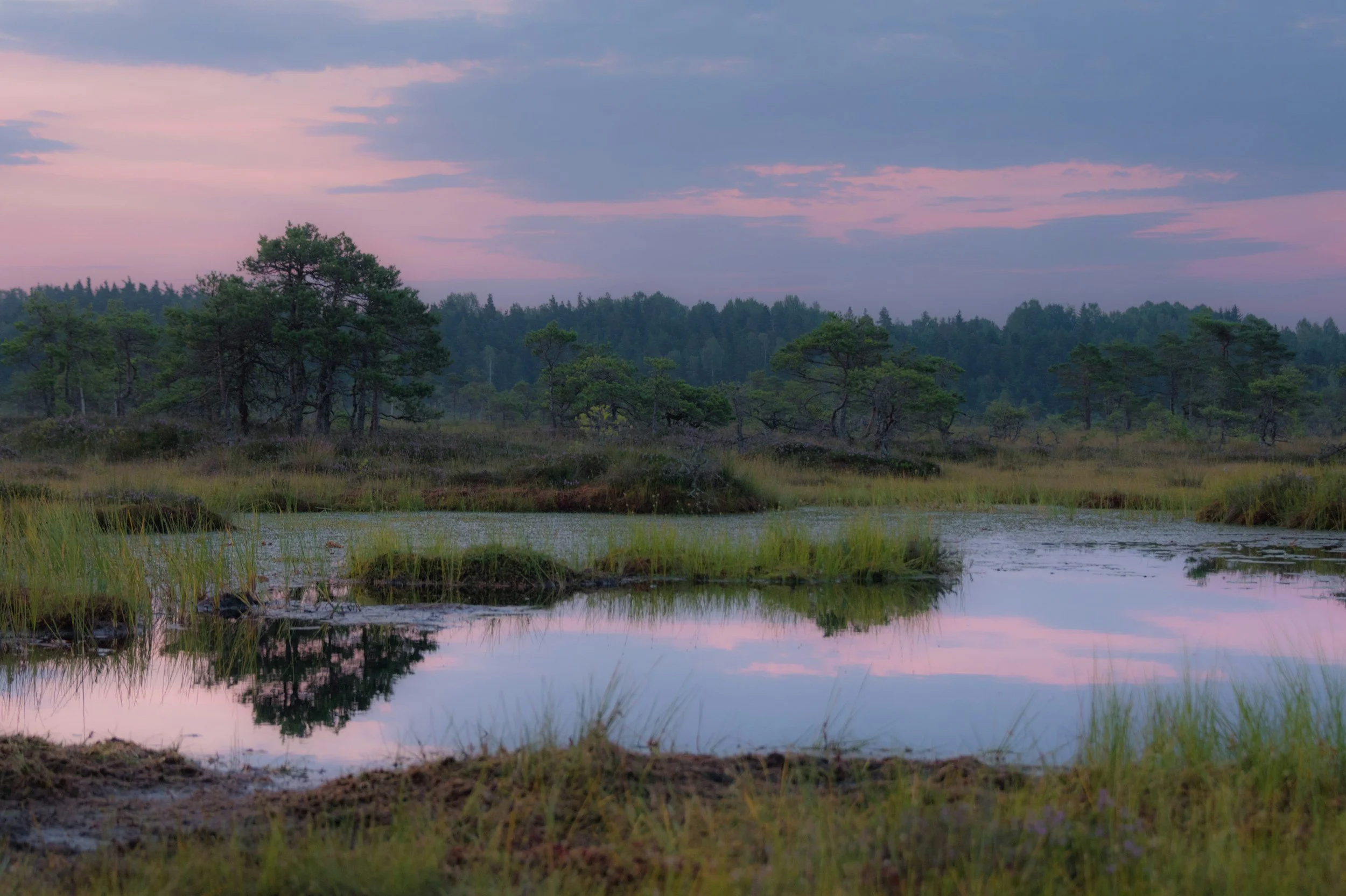
Peatlands are waterlogged wetlands composed of accumulated layers of partially decomposed plant material built up over thousands of years. In Southeast Asia, enormous tropical peat swamps support rich biodiversity, including iconic species such as orangutans and Sumatran tigers.
These ecosystems are climate giants hiding in plain sight.
Although peatlands occupy only a small portion of Earth’s surface, they contain enormous carbon reserves stored in vegetation, roots, and deep soils accumulated over millennia.
Mangroves are equally remarkable.
While they occupy only about 1% of the world’s coastal areas, they store massive amounts of carbon in coastal sediments and living biomass.
In other words:
Nature already built highly effective carbon capture systems.
Long before modern carbon-capture technology debates, wetlands, mangroves, seagrass beds, and peatlands were already doing the work.
The challenge is keeping them intact.
What Is Destroying Southeast Asia’s Coastal Ecosystems?
The greatest threat to these habitats is not natural disaster.
It is human land conversion.
Across Southeast Asia, mangroves, wetlands, mudflats, and peatlands are being degraded by:
Coastal development
Land reclamation
Sand mining
Agricultural expansion
Industrial plantations
Aquaculture development
Among these pressures, one stands out: aquaculture.
Shrimp and fish farms are rapidly replacing mangrove forests throughout parts of Southeast Asia.
To create these farms, developers often clear coastal mangroves and convert them into artificial ponds used to raise seafood for global markets.
The scale is enormous.
Today, roughly half of the world’s seafood supply comes from aquaculture, supporting millions of jobs globally. Shrimp production alone exceeds wild shrimp harvests in many parts of the world.
But the environmental cost can be devastating.
In Indonesia, approximately 70% of mangrove forests have been degraded, with aquaculture playing a major role.
The Global Connection: Shrimp, Palm Oil, and Carbon Emissions
These environmental impacts are not isolated regional issues.
They are tied directly to global consumption.
The United States imports roughly 700,000 tons of shrimp every year. Much of that demand is connected to aquaculture industries operating in countries like Indonesia, Vietnam, and Malaysia.
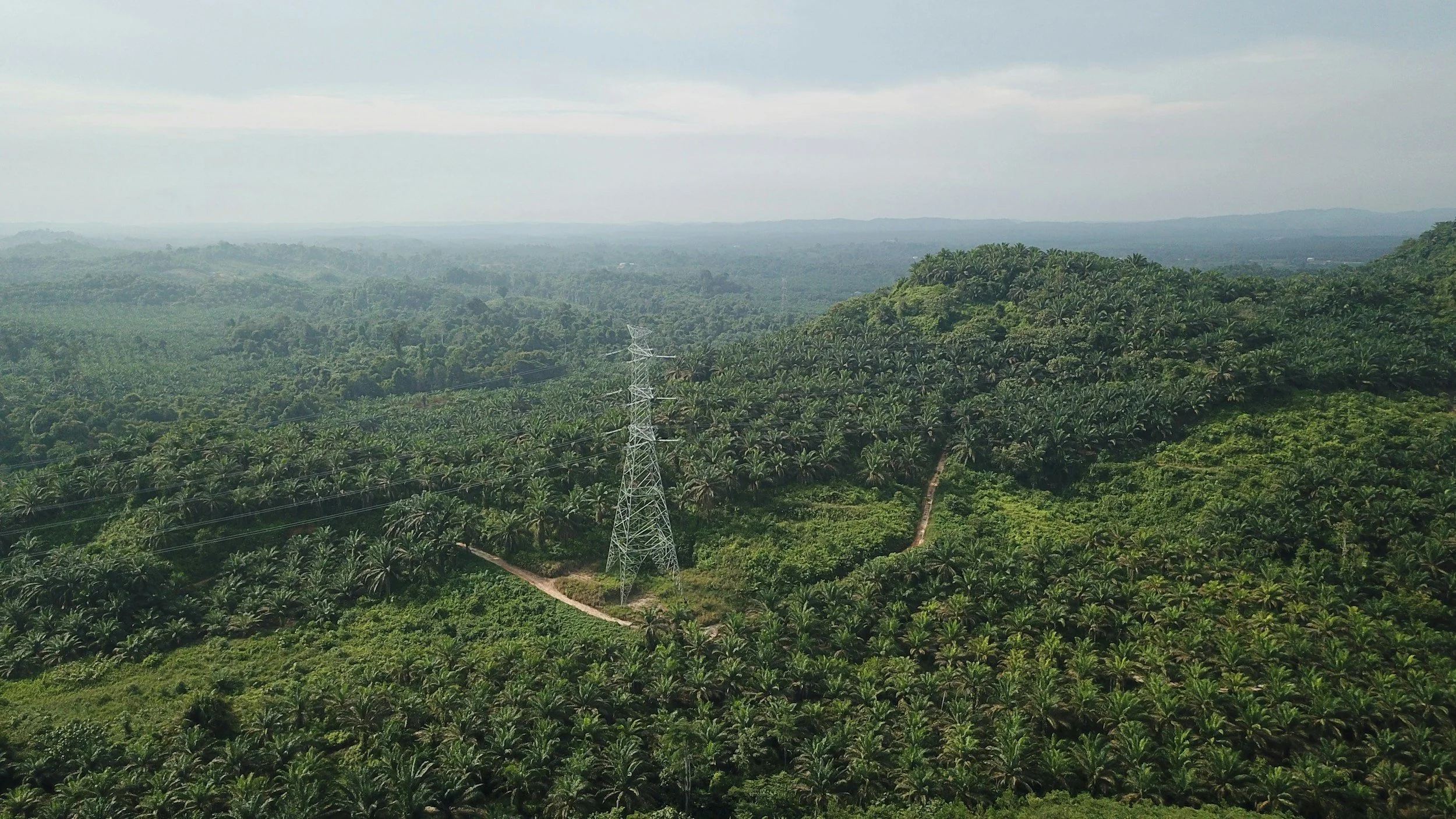
At the same time, Southeast Asia’s peatlands and forests are being drained and cleared for oil palm plantations, particularly in Indonesia and Malaysia.
When peatlands are drained or forests are burned and cleared, they stop functioning as carbon sinks and become powerful carbon sources, releasing massive quantities of greenhouse gases into the atmosphere.
This helps explain a surprising reality:
Indonesia frequently ranks among the world’s largest greenhouse gas emitters.
Not because of heavy industrialization alone, but because of large-scale deforestation, peatland conversion, and ecosystem destruction.
Replacing biodiverse tropical forests with monoculture plantations fundamentally changes how landscapes store carbon and support life.
Birds Under Pressure Along the Flyway
The ecological consequences ripple across the migration system.
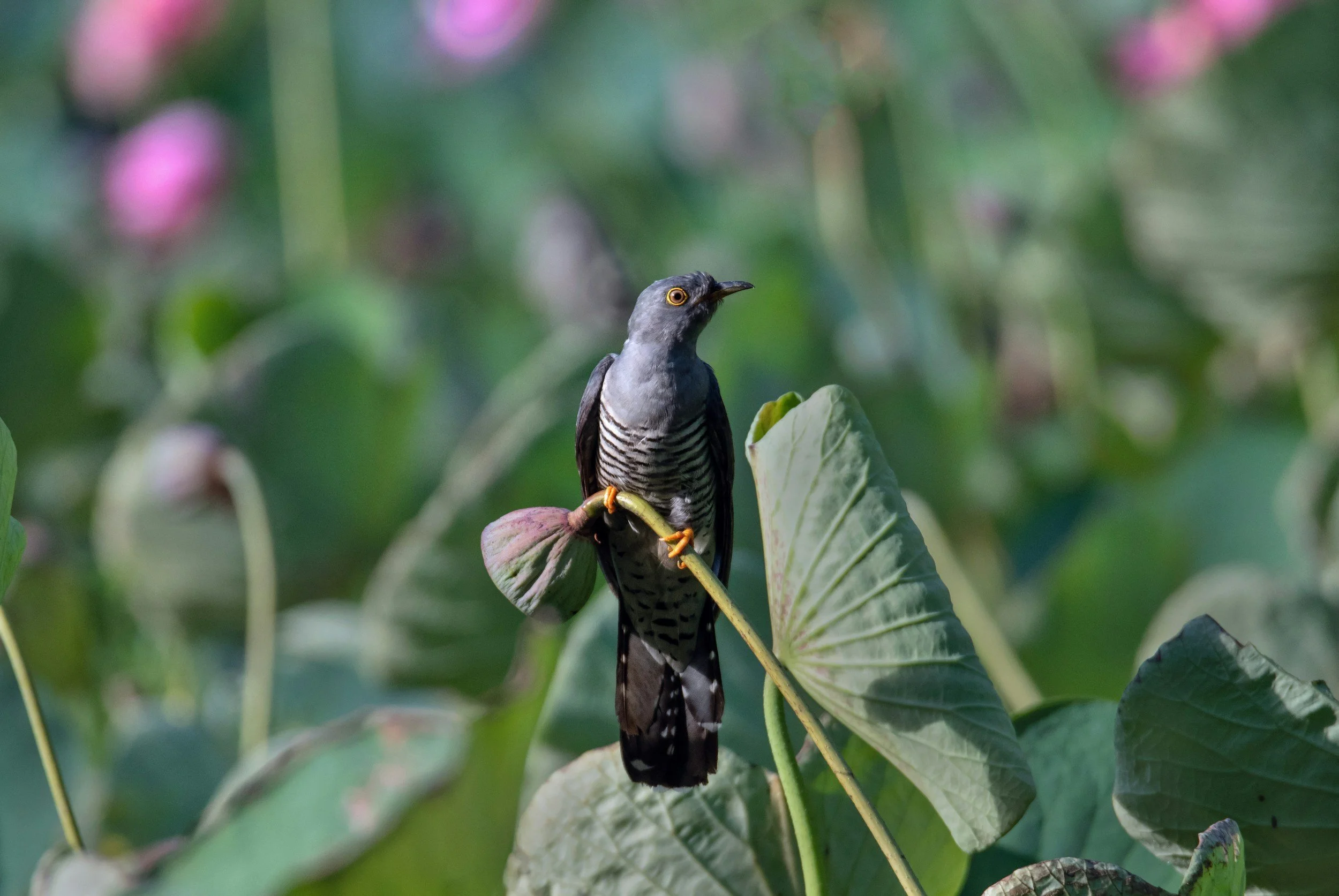
Habitat destruction, hunting pressure, sea-level rise, and coastal degradation are placing migratory birds under increasing stress throughout the flyway.
Some species are now critically endangered, including the spoon-billed sandpiper, whose survival depends heavily on the protection of coastal wetlands across multiple countries.
The East Asian–Australasian Flyway functions like a chain.
If too many links disappear, the migration system begins to fail.
Conservation Efforts Are Offering Hope
Despite the threats, meaningful restoration work is underway.
Organizations including the Asian Development Bank, governments, NGOs, and conservation partnerships are investing billions into protecting and restoring critical flyway habitats across Southeast Asia.
Their goal is ambitious: strengthen the chain of wetlands that migratory birds depend upon across more than twenty countries.
Several restoration projects are already showing encouraging results.
In China, a wetland restoration initiative supported by conservation partners restored large areas of degraded habitat. Waterbird populations increased dramatically, and the site later achieved UNESCO World Heritage recognition.
Important restoration work is also occurring in Thailand, Malaysia, and elsewhere along the flyway, where wetlands are being rehabilitated to support both biodiversity and local communities.
These projects demonstrate an important truth:
Wetlands can recover — if societies choose to protect them.
Why This Matters to All of Us
The East Asian–Australasian Flyway is more than a bird migration story.
It is a story about the hidden systems that keep the planet functioning.
Wetlands purify water. Mangroves buffer coastlines against storms. Peatlands lock away carbon accumulated over thousands of years. And together, these ecosystems sustain one of Earth’s greatest wildlife migrations.
When these habitats disappear, we do not only lose biodiversity.
We lose natural climate defenses, carbon storage systems, and ecological connections that span continents.
The millions of birds crossing from Alaska and Siberia to Australia each year depend on these coastal ecosystems surviving.
So do we.
Protecting Southeast Asia’s wetlands, mangroves, and peatlands is not simply a regional conservation issue.
It is a global climate, biodiversity, and survival issue.