THE BLOG
THE BLOG
Check out all of my blog posts below. Feel free to use the search to look up specific topics you are interested in.
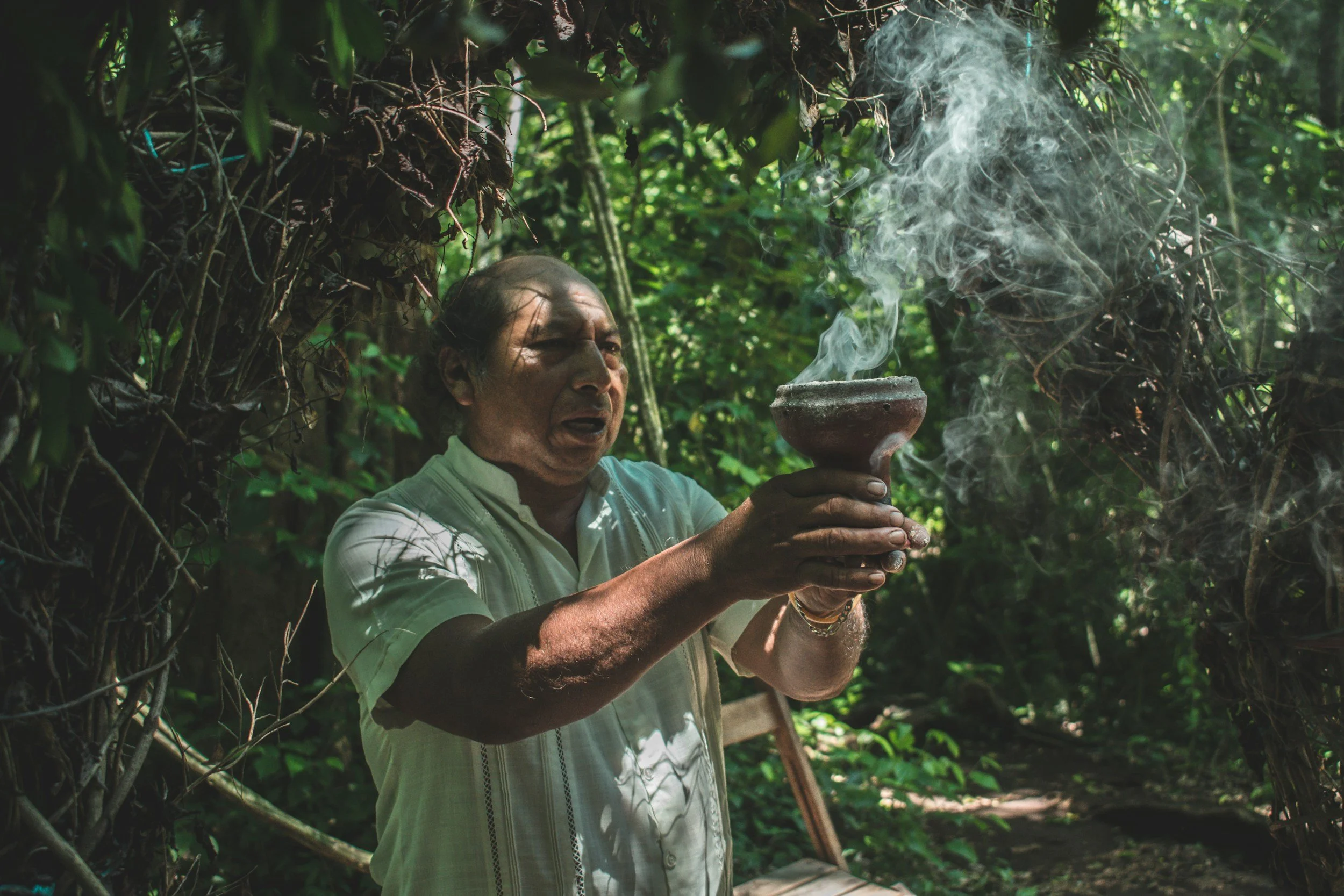
Indigenous Views of Nature: What Modern Society Can Learn from Indigenous Relationships with the Earth
In this article, Brent the Climate Guru explores how Indigenous cultures around the world understand humans as part of nature rather than separate from it, emphasizing reciprocity, stewardship, and respect for the living world. As climate and environmental crises intensify, these perspectives offer valuable insights into sustainability, ecological responsibility, and protecting ecosystems for future generations.
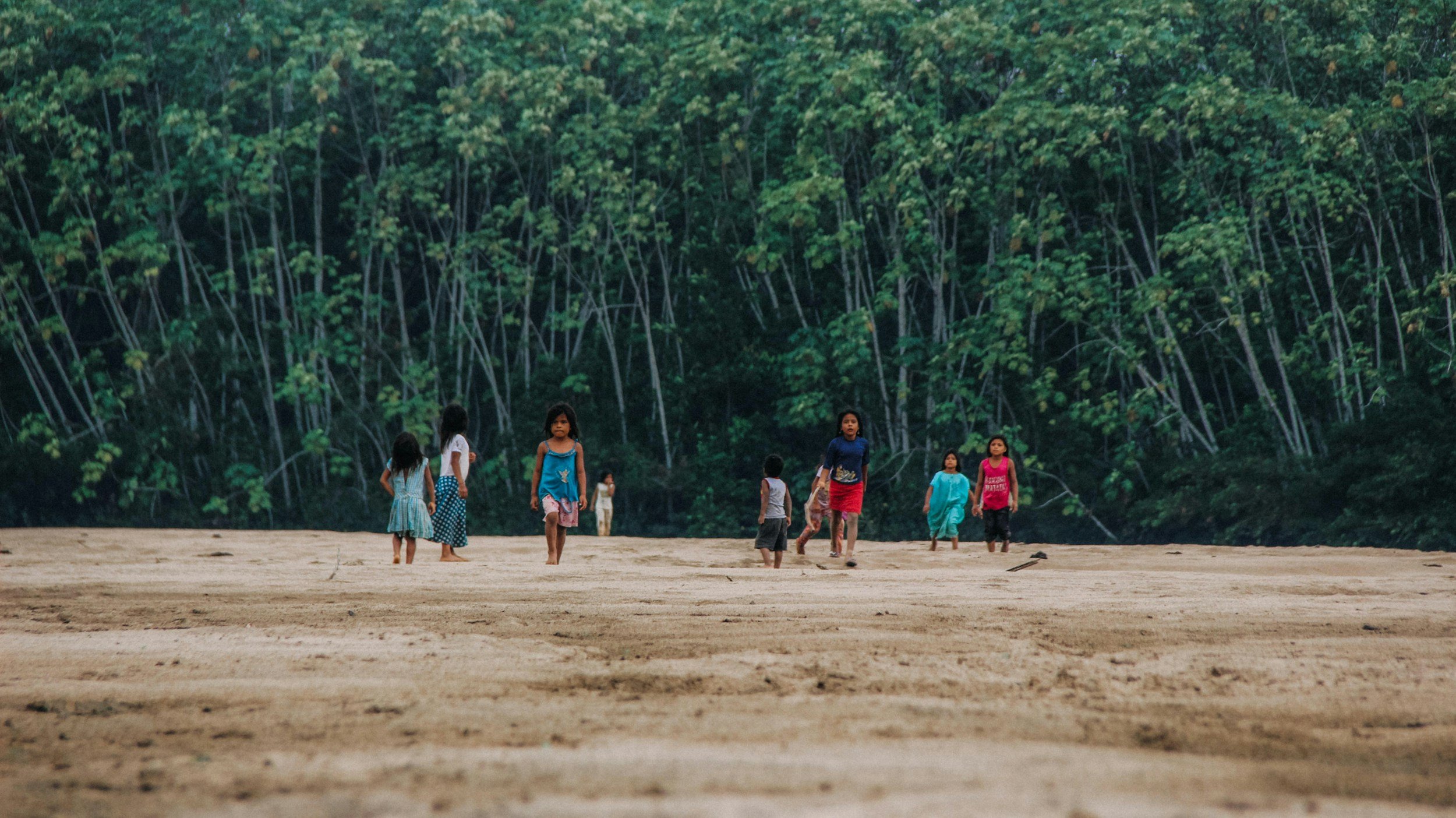
The Amazon Rainforest and Indigenous Peoples: Why Protecting Indigenous Rights May Be the Key to Saving the Amazon
The Amazon Rainforest is a cornerstone of global climate stability, but its future is deeply tied to the Indigenous communities that have protected it for generations. In this episode, Brent the Climate Guru explores how Indigenous stewardship helps preserve biodiversity, reduce deforestation, and safeguard one of the planet’s most important carbon and rainfall systems amid growing environmental threats.
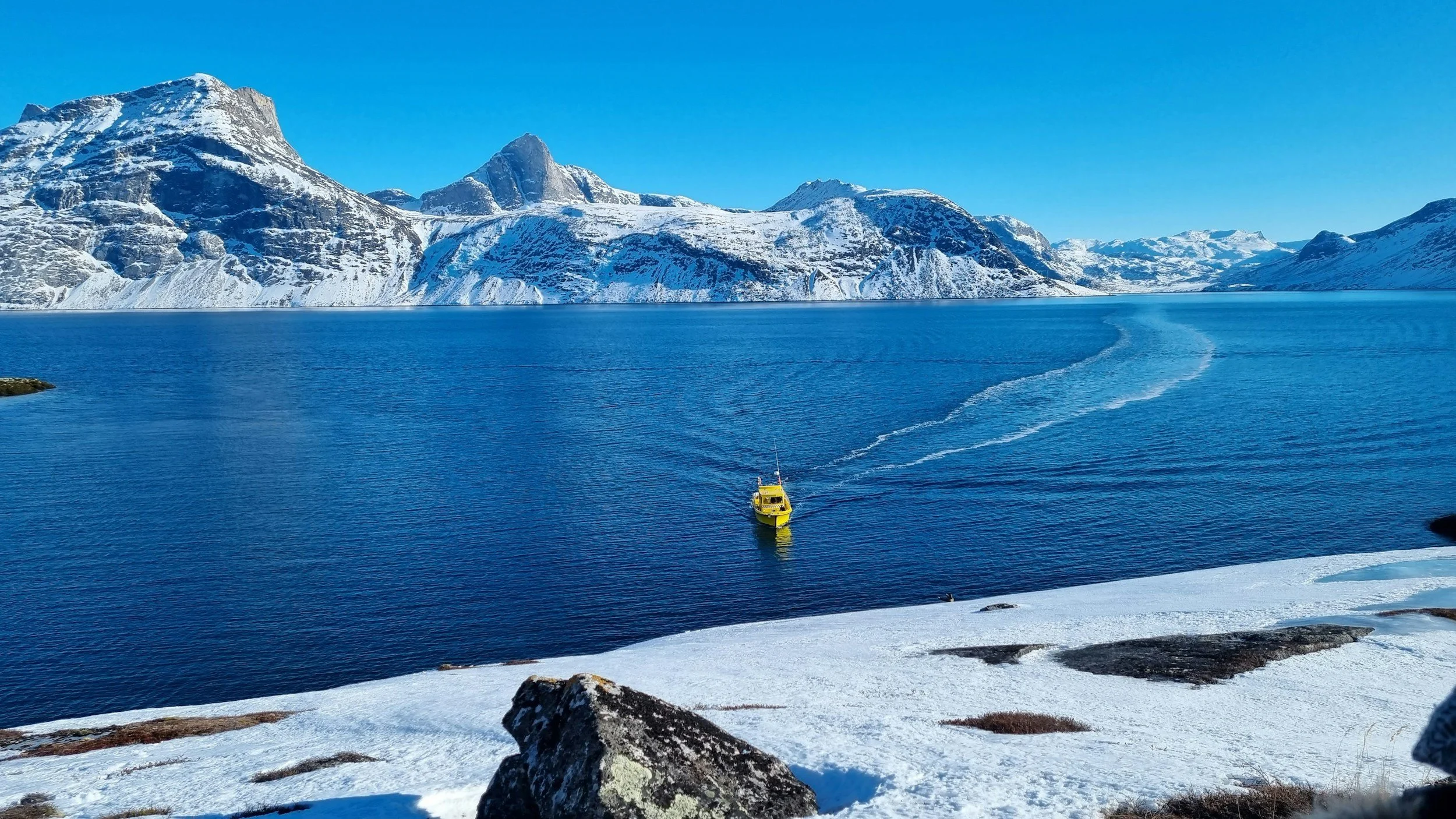
Greenland, Climate Change, and the Arctic Front Line: Why a Nation That Emitted Almost Nothing Is Paying the Price
Greenland, where most residents are Indigenous Inuit and daily life depends on Arctic ice, is experiencing some of the fastest impacts of climate change on Earth. In this episode, Brent the Climate Guru examines how global emissions, Arctic warming, and accelerating ice loss are threatening ecosystems, livelihoods, and infrastructure, while exploring the broader questions of climate responsibility, Indigenous resilience, and the global consequences of a rapidly changing Arctic.
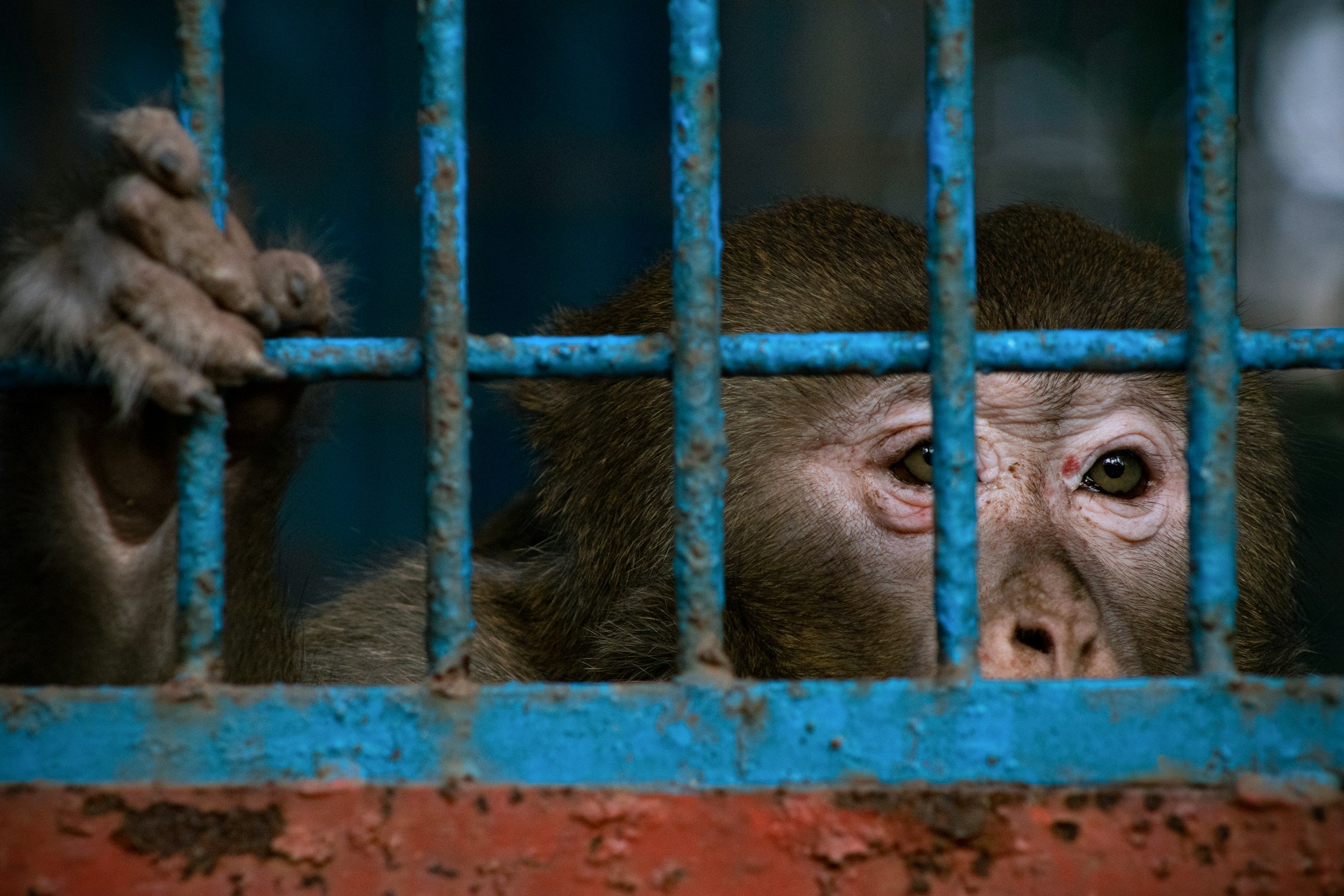
Venezuela’s Environmental Collapse: Oil, Illegal Mining, Wildlife Trafficking, and the Destruction of a Megadiverse Nation
Venezuela holds the world’s largest proven oil reserves, but decades of environmental neglect, political turmoil, and resource mismanagement have transformed one of Earth’s most biodiverse nations into a growing ecological and humanitarian crisis. In this episode, Brent the Climate Guru explores how collapsing oil infrastructure, destructive mining, deforestation, and pollution are driving biodiversity loss, accelerating Amazon degradation, and deepening human suffering across the country.
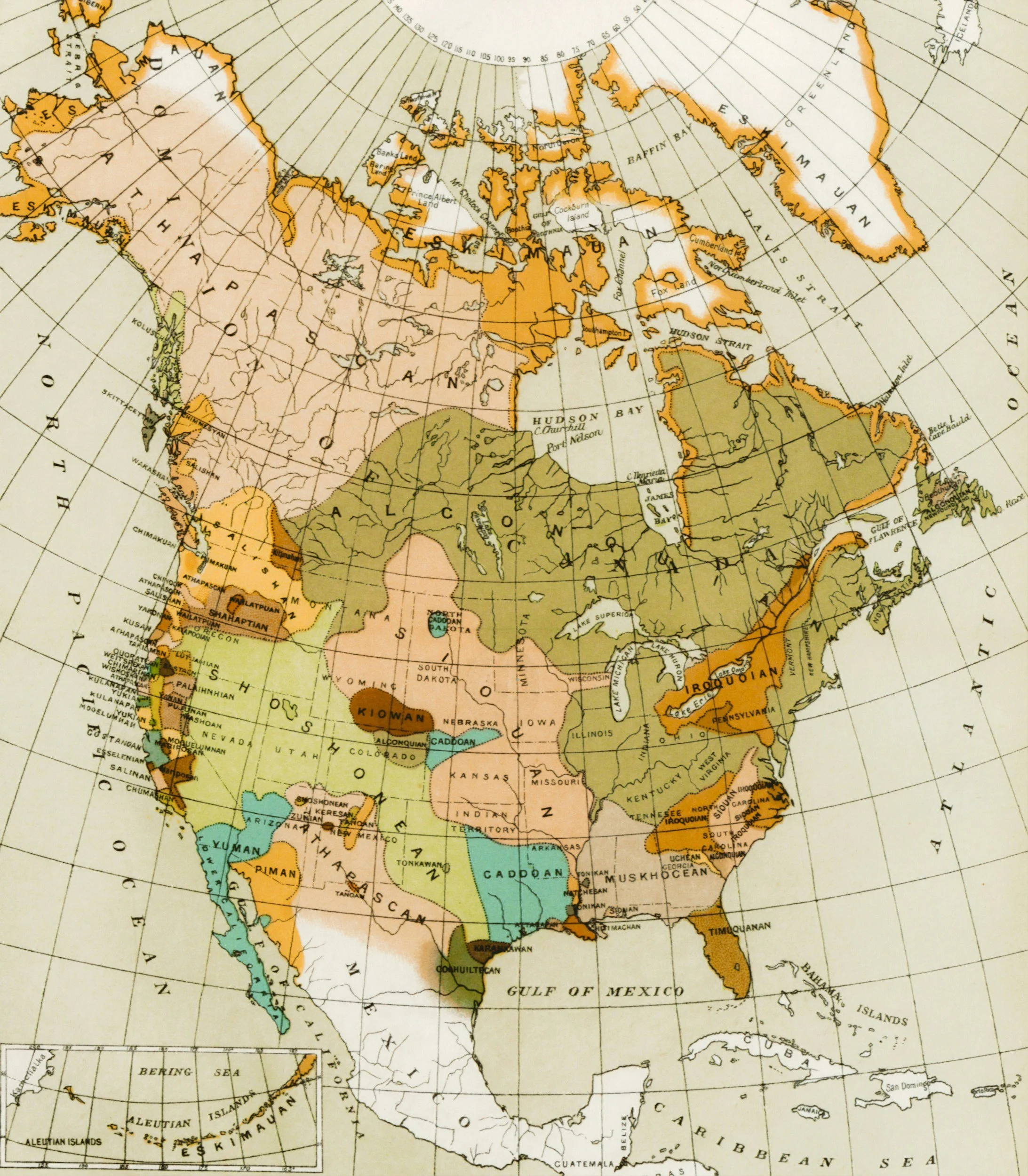
Climate Havens: The Best Places to Live in the U.S. as Climate Change Intensifies
As climate change reshapes where people can safely and sustainably live, Brent the Climate Guru explores which regions of the United States may be most resilient in the decades ahead. The episode examines climate risks, emerging “climate haven” regions, and why factors like infrastructure, housing, healthcare, and community resilience are just as important as geography when planning for the future.
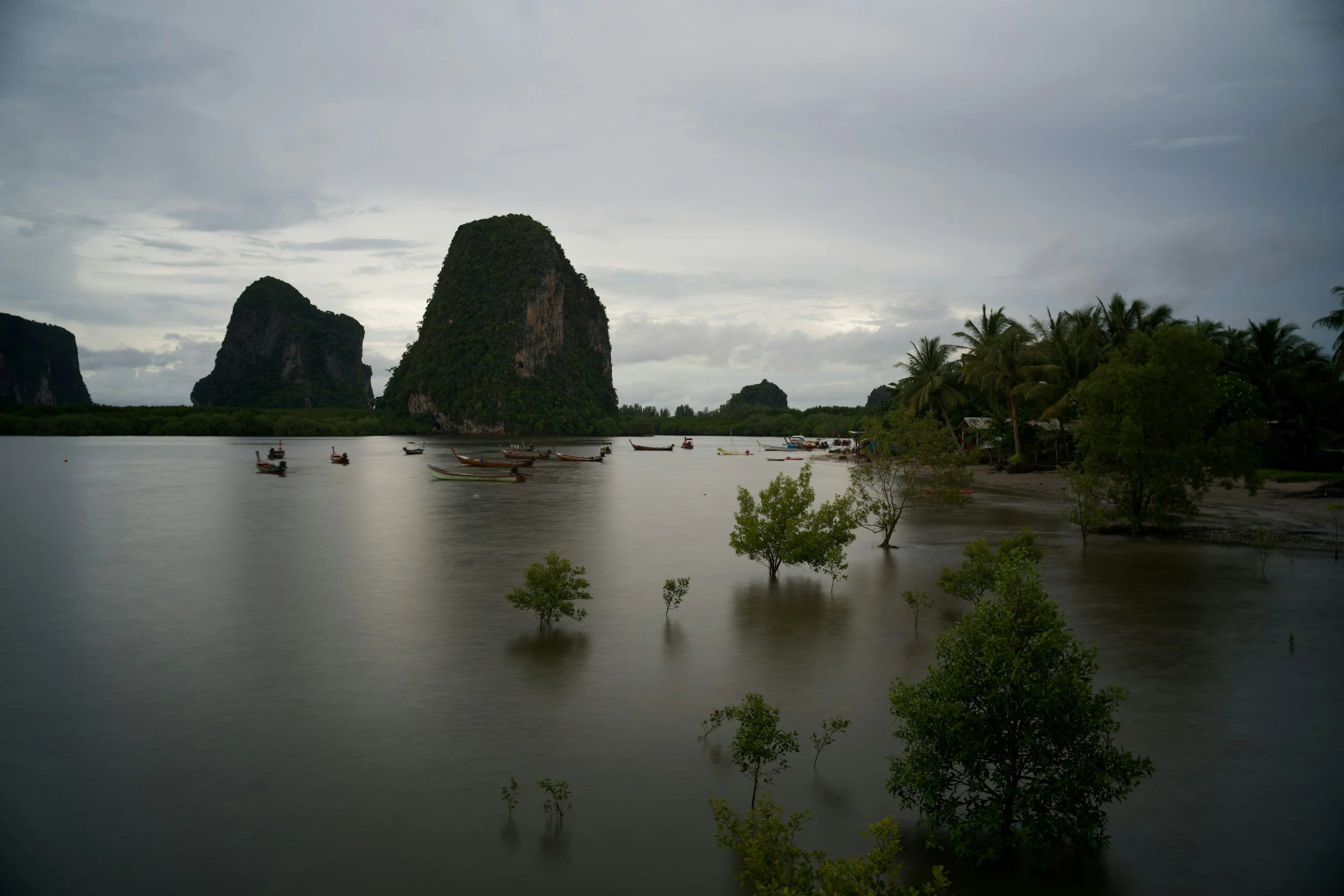
The Migratory Superhighway of Southeast Asia: Why Wetlands, Mangroves, and Peatlands Matter to the Planet
The East Asian Australasian Flyway supports over 50 million migratory birds each year and depends on Southeast Asia’s wetlands, mangroves, and peatlands, some of the world’s most vital ecosystems for biodiversity and carbon storage. In this episode, Brent the Climate Guru explores how habitat destruction is threatening migratory species, accelerating climate change, and why large scale restoration efforts offer hope for protecting these critical natural systems.
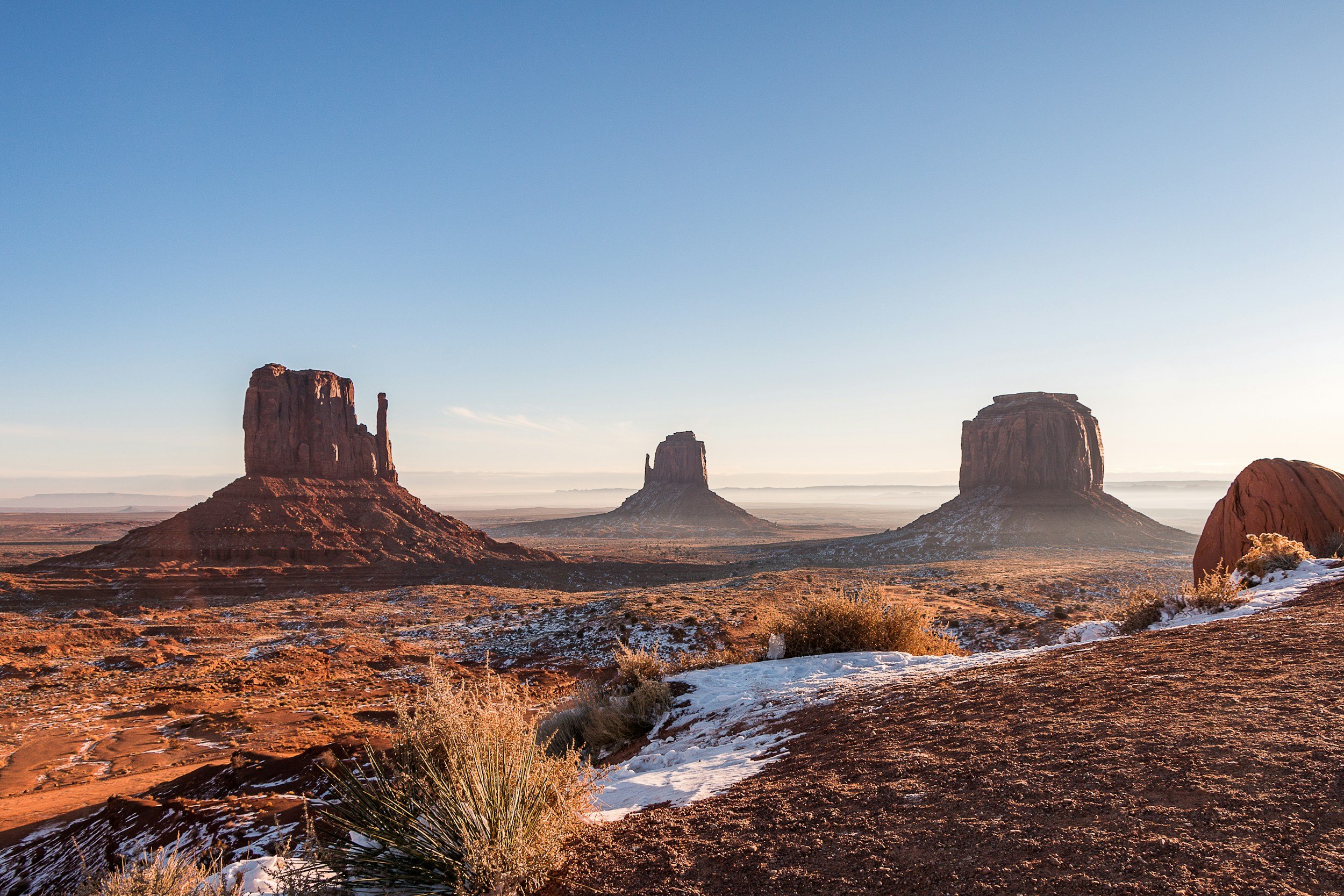
Chaco Canyon: Why Native Leaders Are Fighting to Protect One of America’s Greatest Sacred Sites
Chaco Culture National Historical Park, a sacred ancestral homeland and one of North America’s most significant Indigenous cultural sites, is facing renewed threats as the Trump administration moves to reopen nearby lands to oil and gas leasing. Tribal leaders and lawmakers argue that weakening protections around Chaco endangers not only ancient archaeological treasures, but living cultures, sacred landscapes, and thousands of years of Indigenous history.
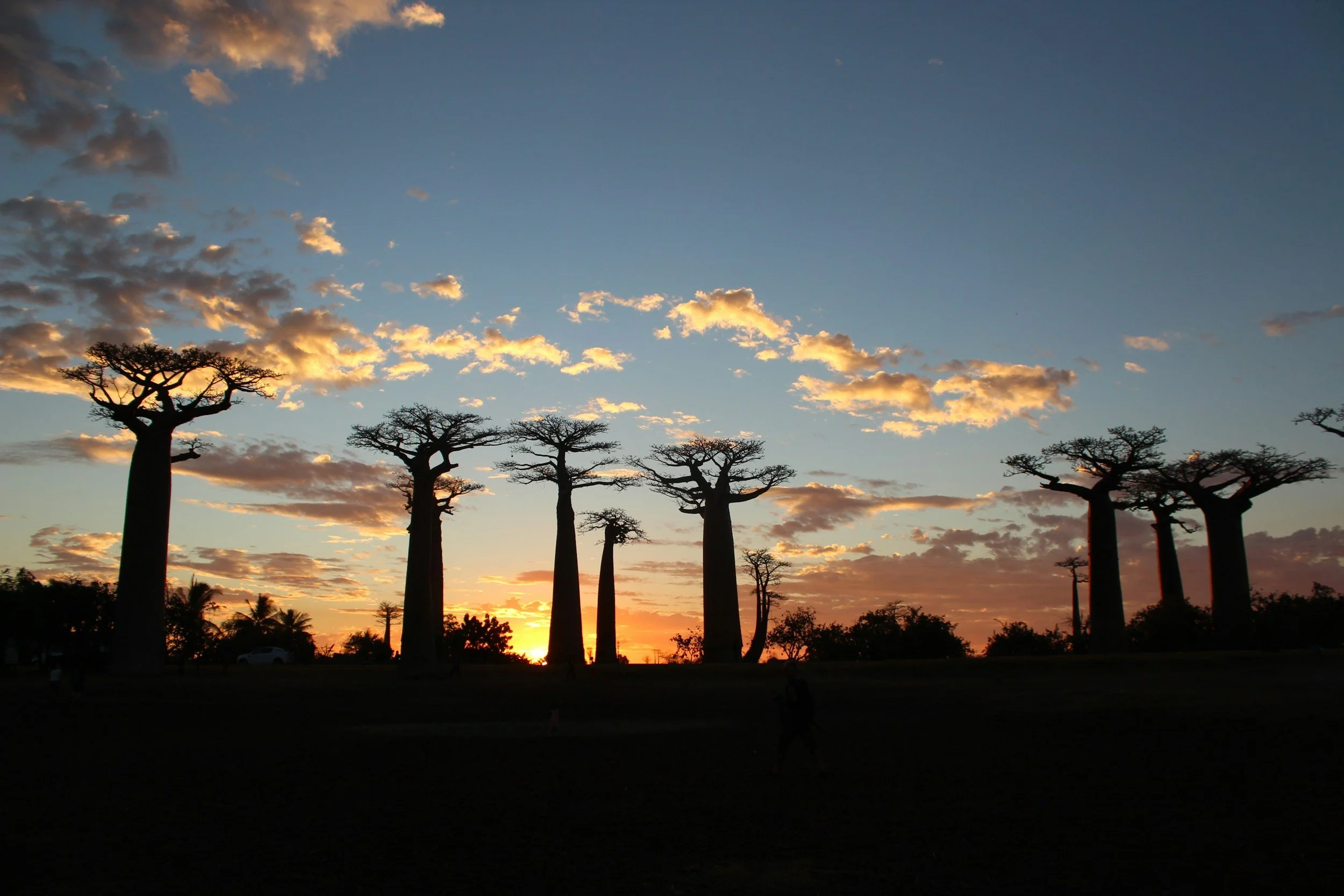
Madagascar: The World Apart Where Evolution Took Its Own Path
This article highlights both the urgency and the hope in Madagascar: how local communities, scientists, and conservation groups are fighting to protect a place that exists nowhere else in the natural world.

Is Donald Trump a Fascist? A Plain-Language Guide to the Evidence
49% of Americans told CBS they believe Donald Trump is a fascist. That’s a big claim. So let’s set feelings aside and look at the core traits of fascism—how it operated under Hitler (Germany), Mussolini (Italy), and Franco (Spain)—and compare those traits to Trump’s words, actions, and governing style.

The Illegal Wildlife Trade: A Billion-Dollar Threat to Biodiversity
The biggest driver of species loss on Earth is still habitat destruction—forests cleared for farms, wetlands drained for development. But a close second, and one we can actually choke off with smart policy and consumer choices, is the illegal wildlife trade.

COP30: Why This Year’s Climate Conference in Brazil Is a Turning Point for the Planet
This November, the world’s attention will turn to Belém, Brazil — the mouth of the Amazon River — for the 30th United Nations Climate Change Conference, or COP30. Over 50,000 people, including heads of state, ministers, scientists, and activists, are expected to gather in what may be one of the most consequential climate summits yet.

Colombia: A Megadiverse Marvel Under Pressure
Only 17 countries hold roughly 70% of Earth’s plant and animal species. They’re called megadiverse nations—places where multiple ecosystems collide: tropical forests, cloud forests, high mountains, wetlands, coasts, islands, and open ocean. Colombia is one of the brightest stars in that constellation.

Sharks Are Disappearing—and It’s Worse Than You Think
When you think about shark conservation, what comes to mind? A man-eater? A villain from a Hollywood thriller? What if I told you the sharp decline in shark populations isn’t just a wildlife concern—it’s a red flag for the health of our oceans?

Wildfires, Forest Loss, and the Climate Crisis: A Global Wake-Up Call
As of June 11, 2025, one thing is clear: wildfires are no longer just seasonal events. They are now the leading cause of forest destruction across North America and the world.

Climate Change Is Simple—And Urgent: A Primer on Earth’s Warming
Many people think climate change is too complex to understand. But in reality, the basic science behind it is straightforward. In this Climate Basics piece, we’ll break down how Earth’s natural greenhouse system works, what humans have done to disrupt it, and why that matters more than ever.

Hurricanes, Heat, and the Oceans: Why Helene and Milton Were Just the Beginning
On October 23, 2024, I reported from Florida in the wake of two devastating hurricanes—Helene and Milton—that unleashed record-setting destruction across the Gulf Coast and southeastern United States.

Environmental Racism, Redlining, and the Legacy of Overtown: A Black History Month Reflection
In honor of Black History Month, it’s vital we confront an often-overlooked dimension of racial injustice—environmental racism. This term describes how environmental hazards, from toxic pollution to extreme heat, disproportionately affect communities of color.

Trump’s Cabinet and the Climate: What’s at Stake for the Environment in 2025
On March 2, 2025, we find ourselves at a critical inflection point for climate policy in the United States. With Donald Trump’s return to the presidency, his cabinet appointments are poised to radically reshape how the federal government addresses—or avoids addressing—climate change, renewable energy, conservation, and environmental protection.
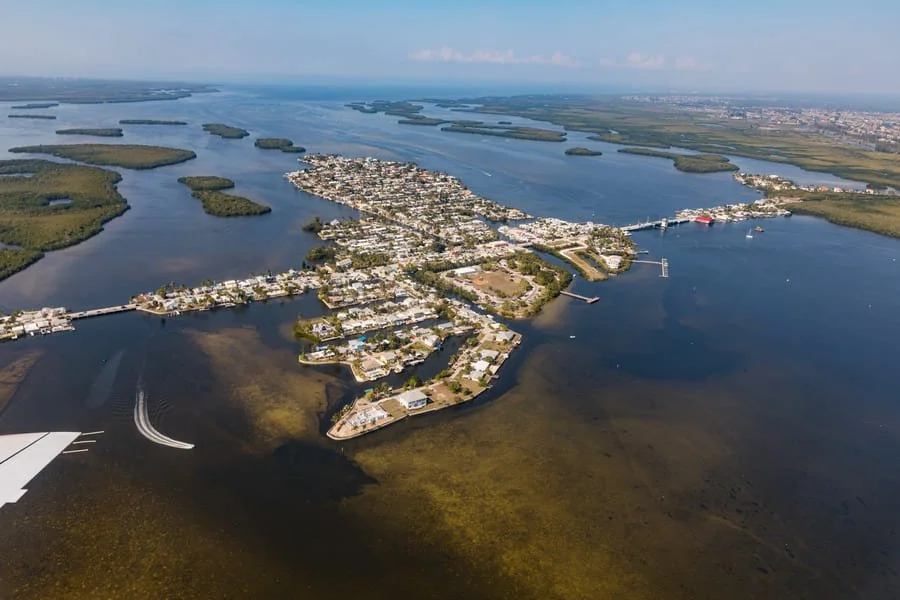
Pine Island: Florida’s Forgotten Eden and the Fight to Preserve It
Just off the Gulf Coast of Florida, nestled near Fort Myers, lies Pine Island—a stretch of land largely untouched by time and development. At 17 miles long and just three miles wide, Pine Island is a living museum of Florida’s ecological past.
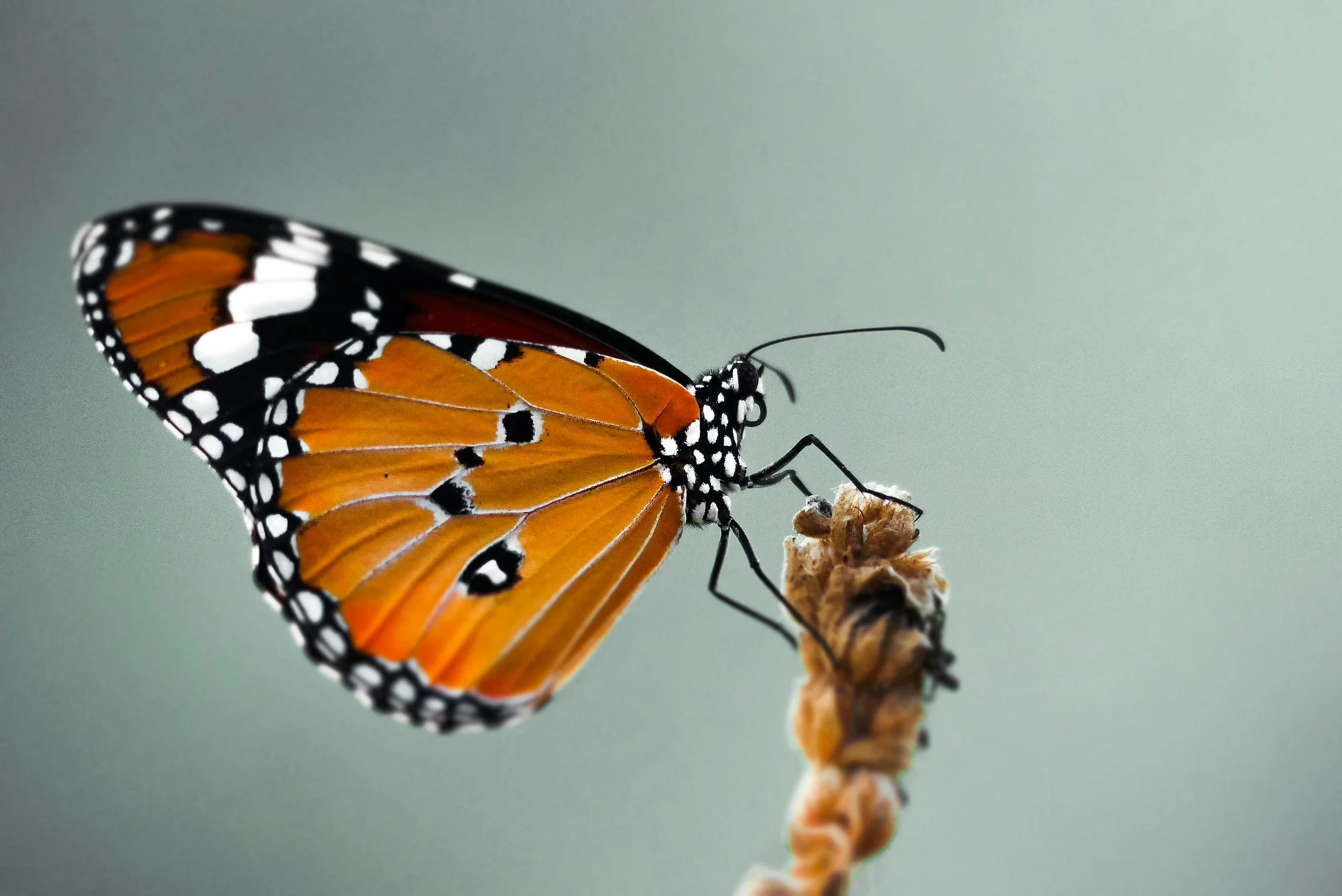
Monarch Butterflies: Nature’s Miracle in Peril
Of all the natural wonders on Earth, few are as miraculous—or as vulnerable—as the monarch butterfly. With their iconic black-and-orange wings and astonishing 3,000-mile migration patterns, monarchs are not only breathtaking to witness but also essential pollinators and indicators of ecosystem health.