Climate Havens: The Best Places to Live in the U.S. as Climate Change Intensifies
As climate change accelerates, more Americans are beginning to ask a question that once seemed hypothetical:
Where is the safest place to live in the United States?
For decades, conversations about moving were driven by jobs, affordability, schools, or lifestyle. Increasingly, another factor is entering the equation:
Climate resilience.
Heat waves, drought, wildfires, sea level rise, hurricanes, flooding, and insurance instability are reshaping how people think about where they build their lives and raise their families.
So where in America might be best positioned to withstand the coming decades of climate disruption?
The answer is more complicated than simply finding cooler weather.
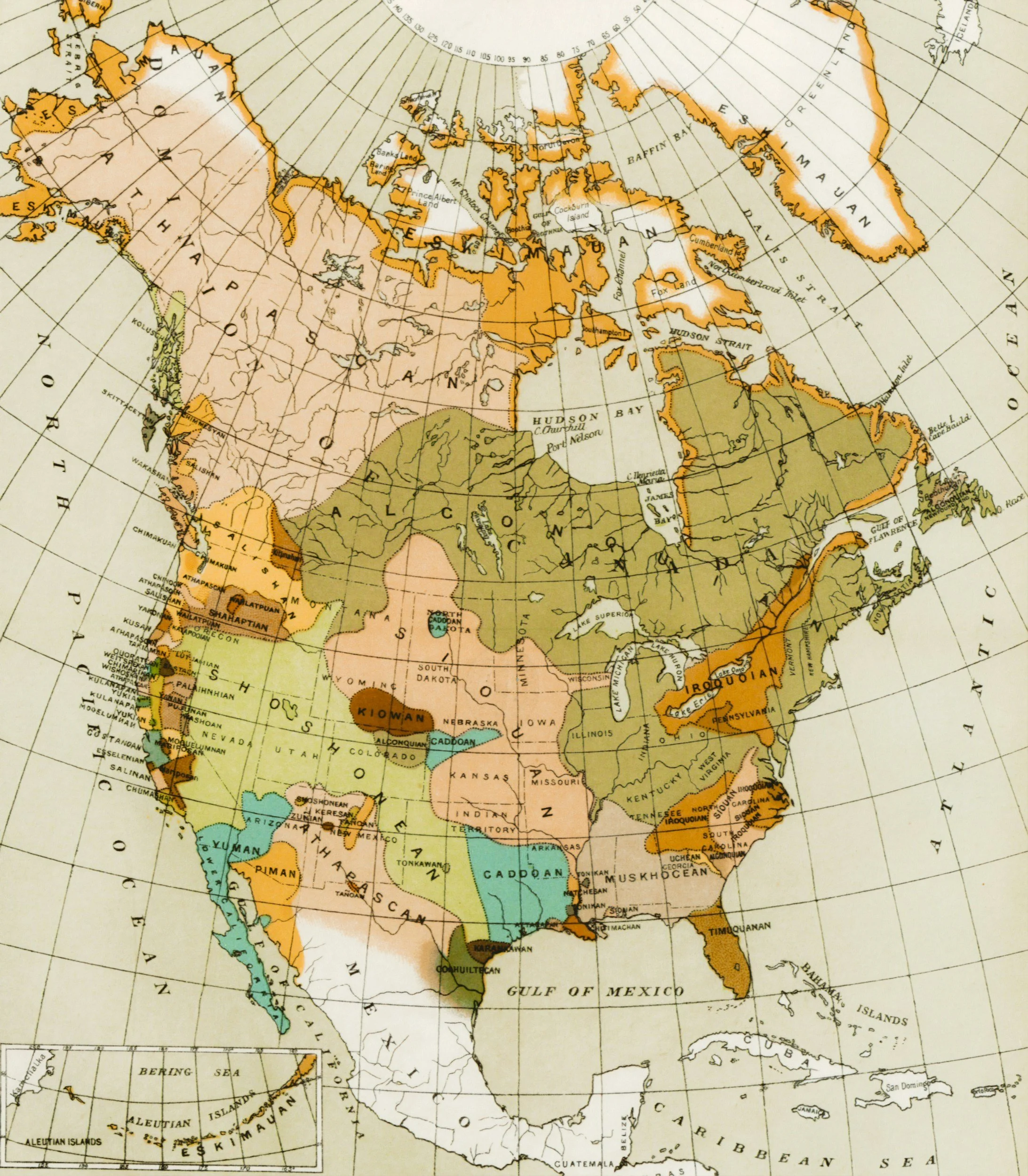
What Makes a Region Climate Resilient?
When people think about climate risk, temperature usually comes first.
And for good reason.
Many parts of the United States have already warmed significantly over recent decades. Regions of the Southwest — including Arizona, Nevada, and New Mexico — routinely experience extreme summer heat. In places like Florida, heat combines with high humidity to create especially dangerous conditions.
But climate resilience is about far more than temperature alone.
Communities must also consider:
Water availability
Drought and desertification risk
Wildfire exposure
Hurricanes and storm intensity
Flooding and sea level rise
Infrastructure resilience
Public health systems
Economic stability
Community preparedness and social cohesion
The safest places to live in a changing climate will likely be those capable of managing multiple overlapping risks at once.
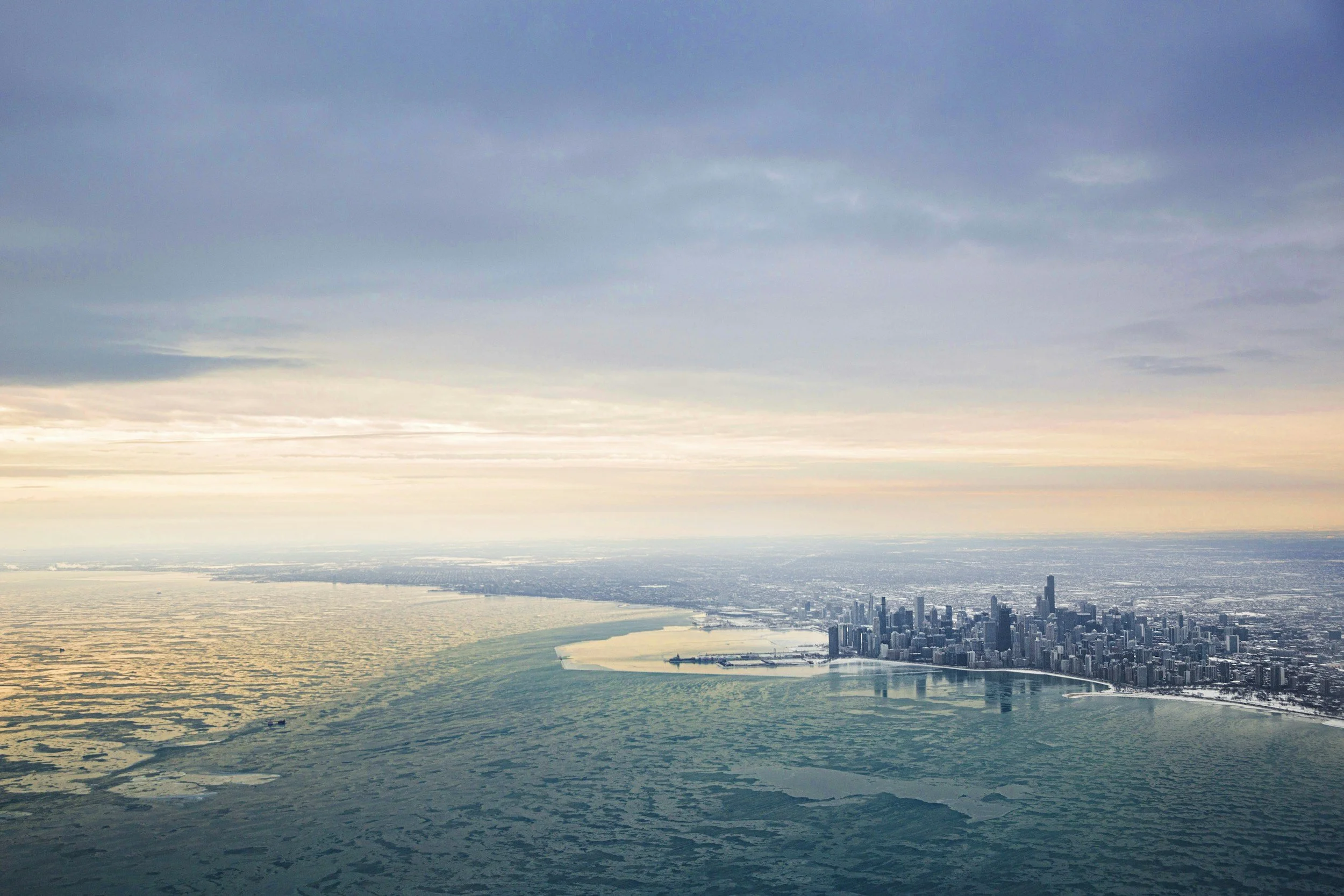
The Great Lakes Region: America’s Emerging Climate Haven
One region frequently identified by climate researchers, planners, and geographers is the Great Lakes and Upper Midwest.
Cities and regions around the Great Lakes possess several major advantages:
abundant freshwater resources, lower exposure to sea level rise, fewer hurricanes, and generally reduced wildfire risk compared with many other parts of the country.
Potentially resilient cities often mentioned include:
Duluth, Minnesota
Madison, Wisconsin
Ann Arbor, Michigan
Buffalo, New York
Water security may become one of the defining issues of this century.
In that context, proximity to the Great Lakes represents a powerful strategic advantage.
Unlike regions facing chronic drought or groundwater depletion, the Upper Midwest possesses substantial freshwater resources that could become increasingly valuable as climate pressures intensify.
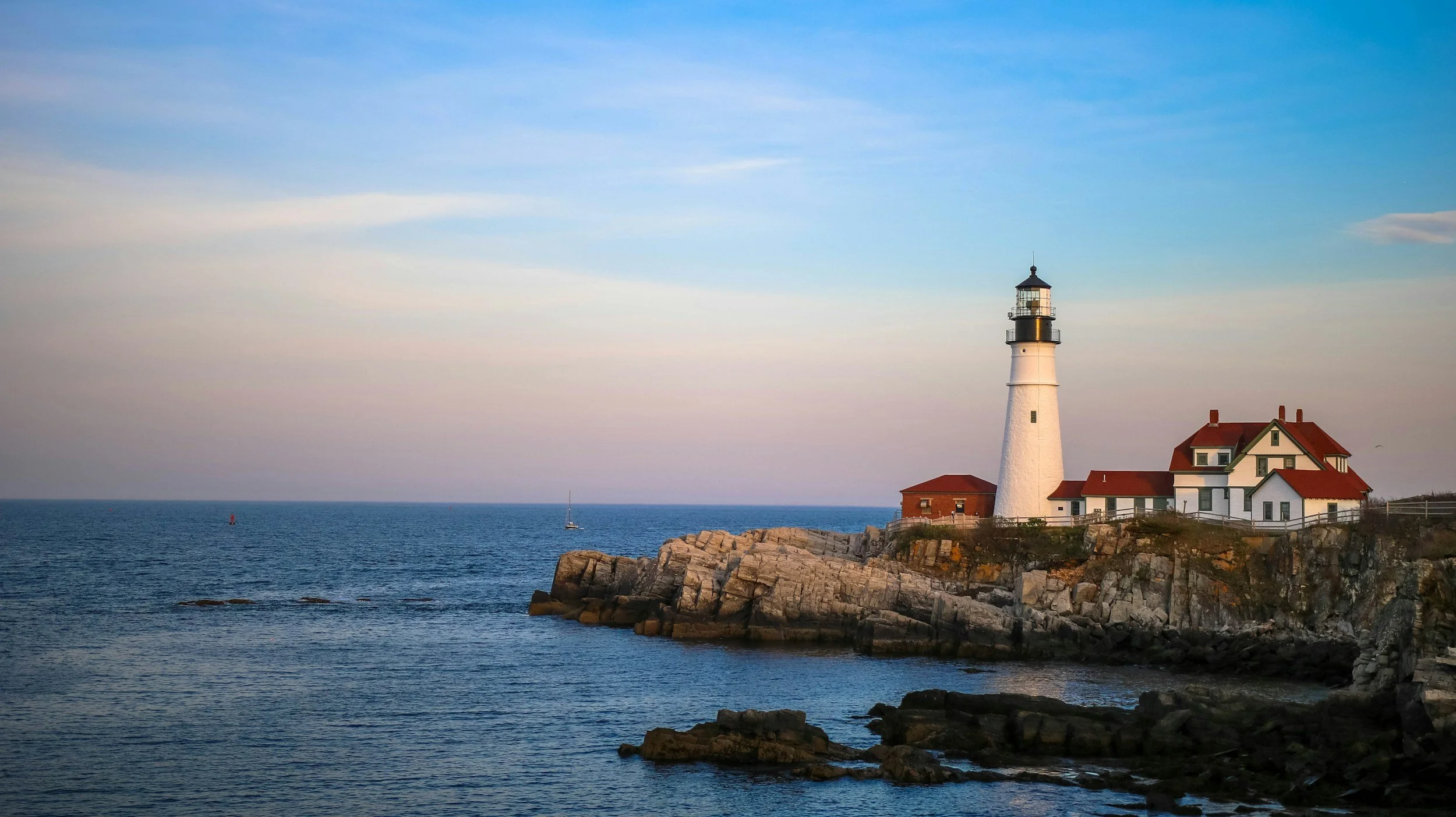
Northern New England: Cooler Temperatures and Inland Stability
Another region frequently highlighted in climate migration discussions is Northern New England.
States such as Vermont, New Hampshire, and Maine, particularly inland communities removed from direct coastal exposure, offer several characteristics that appeal to climate-conscious movers.
These include:
Cooler temperatures
Lower extreme heat exposure
Reduced wildfire risk
Strong water availability
Lower vulnerability to sea level rise in inland areas
Some observers report growing interest in relocation to states like Vermont as climate concerns become more mainstream. For people seeking temperate climates without the intensity of Southwestern heat or coastal hurricane exposure, Northern New England may become increasingly attractive.
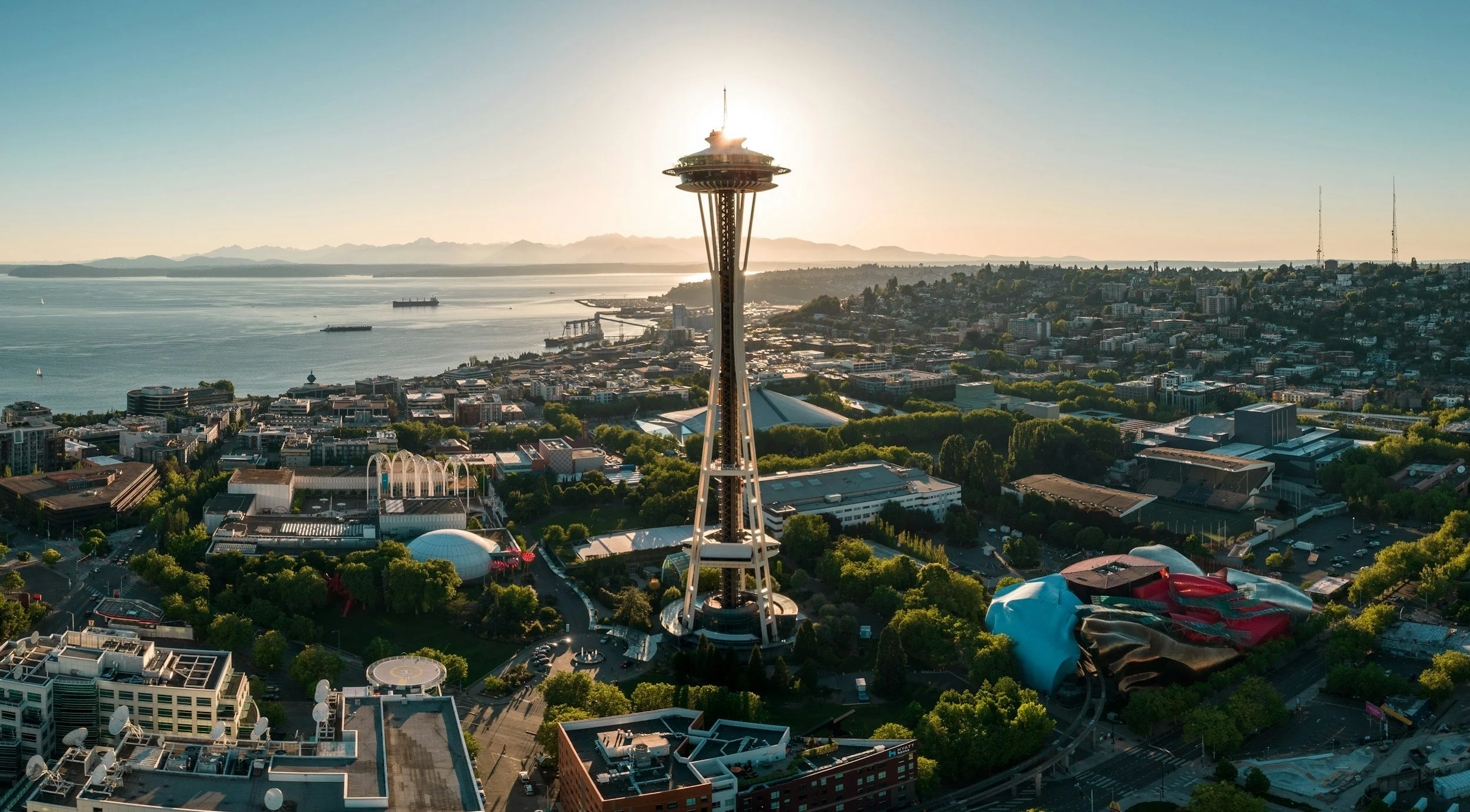
The Pacific Northwest: A Potential Refuge — With Caveats
The Pacific Northwest is another region often discussed as a possible climate haven.
Parts of Washington, Idaho, and surrounding inland areas may avoid some of the worst heat extremes, hurricane exposure, and sea level vulnerabilities affecting other regions. Higher-elevation inland communities are frequently viewed as more resilient than densely populated coastal zones.
Cities sometimes mentioned in these conversations include:
Seattle, Washington
Spokane, Washington
Boise, Idaho
However, geography matters.
Coastal communities remain vulnerable to sea level rise, and portions of the broader western United States still face wildfire risk.
No location is completely climate-proof.
The goal is often to identify places with comparatively lower cumulative risk.
Climate Safety Is Not Just About Weather
One of the biggest misconceptions about climate migration is that it is purely an environmental calculation.
It is not.
The social and economic characteristics of a community can be just as important as the physical climate itself.
Questions worth asking include:
Does the community invest in climate adaptation planning?
Are healthcare systems strong?
Is there reliable infrastructure and public transportation?
Is clean water and clean air available?
Does the local economy depend heavily on climate-sensitive industries that could become unstable?
Equally important is community culture.
How does a place respond during crises?
Do neighbors help one another during disasters?
Is there social cohesion, effective governance, and a willingness to invest in resilience?
These factors may strongly influence quality of life during future climate disruptions.
The Growing Insurance Crisis
Another issue increasingly shaping climate migration decisions is insurability.
Across parts of the United States, homeowners are already confronting rising insurance premiums, shrinking coverage options, or insurers withdrawing from high-risk markets altogether.
This matters enormously.
If homes become difficult or impossible to insure because of wildfire, flooding, hurricanes, or other climate risks, property values can decline dramatically.
The consequences ripple outward.
Falling property values weaken municipal tax bases, potentially affecting funding for:
Schools
Healthcare systems
Emergency services
Infrastructure
Local government operations
Climate resilience increasingly intersects with economic resilience.
Which Parts of the U.S. Face the Greatest Risk?
While some regions may function as relative climate havens, others face mounting climate challenges.
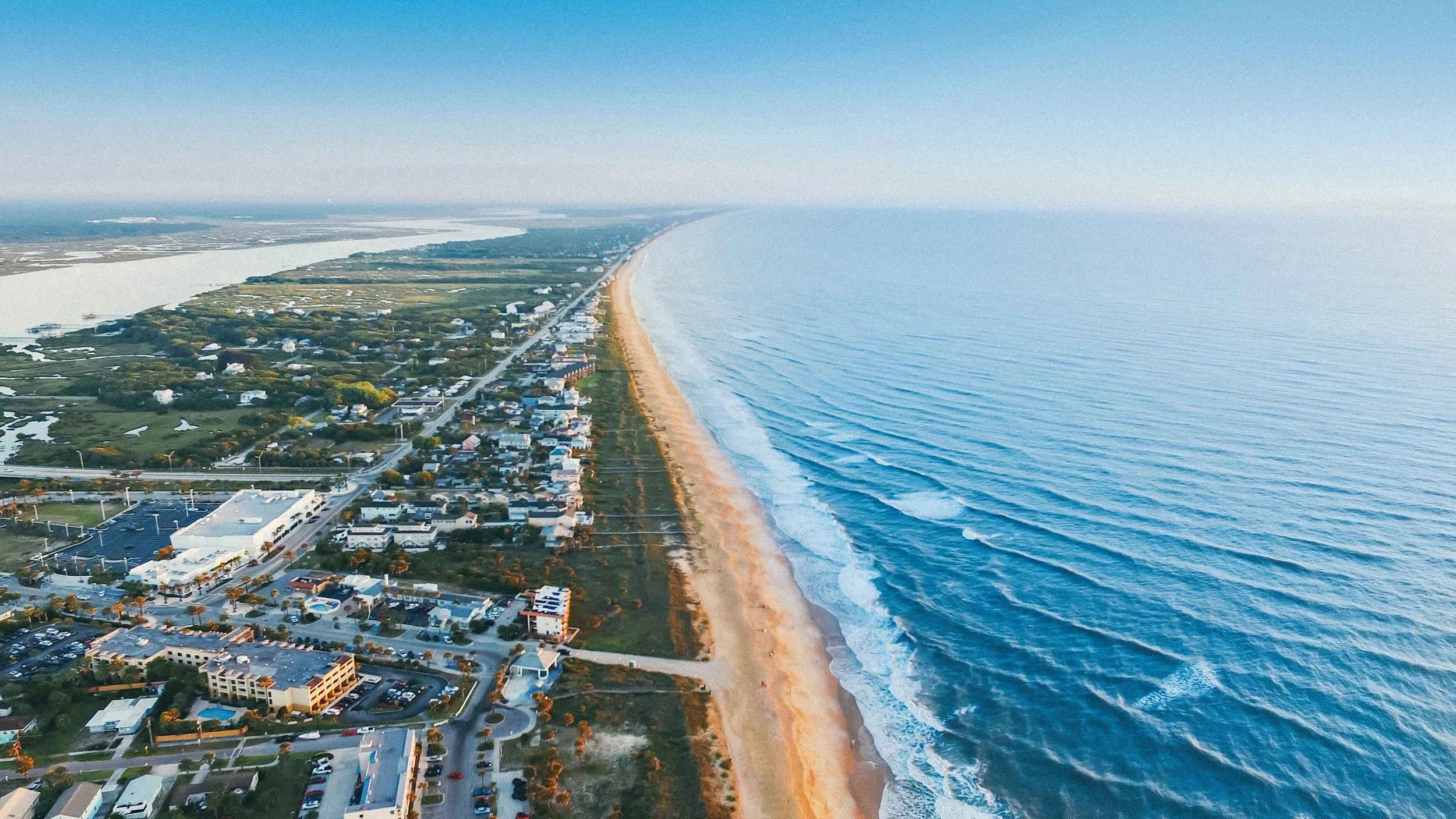
Among the most vulnerable are portions of the Gulf Coast and low-lying coastal regions.
States stretching from Louisiana through Mississippi, Alabama, and Florida face overlapping risks from:
Sea level rise
Hurricanes
Storm surge
Extreme heat
High humidity
The combination of heat and humidity creates dangerous “heat index” conditions that can seriously affect human health.
Meanwhile, rising seas threaten infrastructure, homes, freshwater systems, and coastal economies.
Parts of the Mid-Atlantic coast also face increasing sea level challenges.
On the West Coast, risks vary by location. Regions of Southern California, for example, continue grappling with elevated wildfire exposure.
The Future of Climate Migration
Climate change is likely to influence where Americans live in ways we are only beginning to understand.
Some communities may see population growth as people seek safer climates, stronger infrastructure, and lower disaster risk.
Others may struggle with mounting environmental pressures, rising insurance costs, and repeated natural disasters.
But choosing where to live in the climate era requires thinking beyond weather forecasts alone.
It means asking deeper questions:
Can this community adapt?
Will infrastructure hold?
Is water secure?
Are institutions resilient?
Will neighbors and governments work together when crises occur?
The best places to live in a changing climate may ultimately be those that combine environmental stability, economic resilience, strong planning, and social cooperation.
Because surviving climate change is not just about escaping heat or hurricanes.
It is about finding communities capable of adapting to an uncertain future.