Venezuela’s Environmental Collapse: Oil, Illegal Mining, Wildlife Trafficking, and the Destruction of a Megadiverse Nation
When most people think about Venezuela, they think about oil.
And for good reason.
Venezuela possesses some of the largest oil reserves on Earth, even larger than Saudi Arabia by some estimates. But much of that oil is among the dirtiest and most difficult crude in the world — heavy, sulfur-rich petroleum that requires heating and dilution before it can be processed.
But Venezuela’s deeper crisis extends far beyond oil.
Over the last two decades, Venezuela has become the site of a profound environmental and ecological collapse involving deforestation, illegal mining, oil pollution, wildlife trafficking, degraded water systems, and the weakening of environmental protections across one of the planet’s most biodiverse countries.
Venezuela: One of the World’s Megadiverse Countries
Venezuela is not just an oil nation.
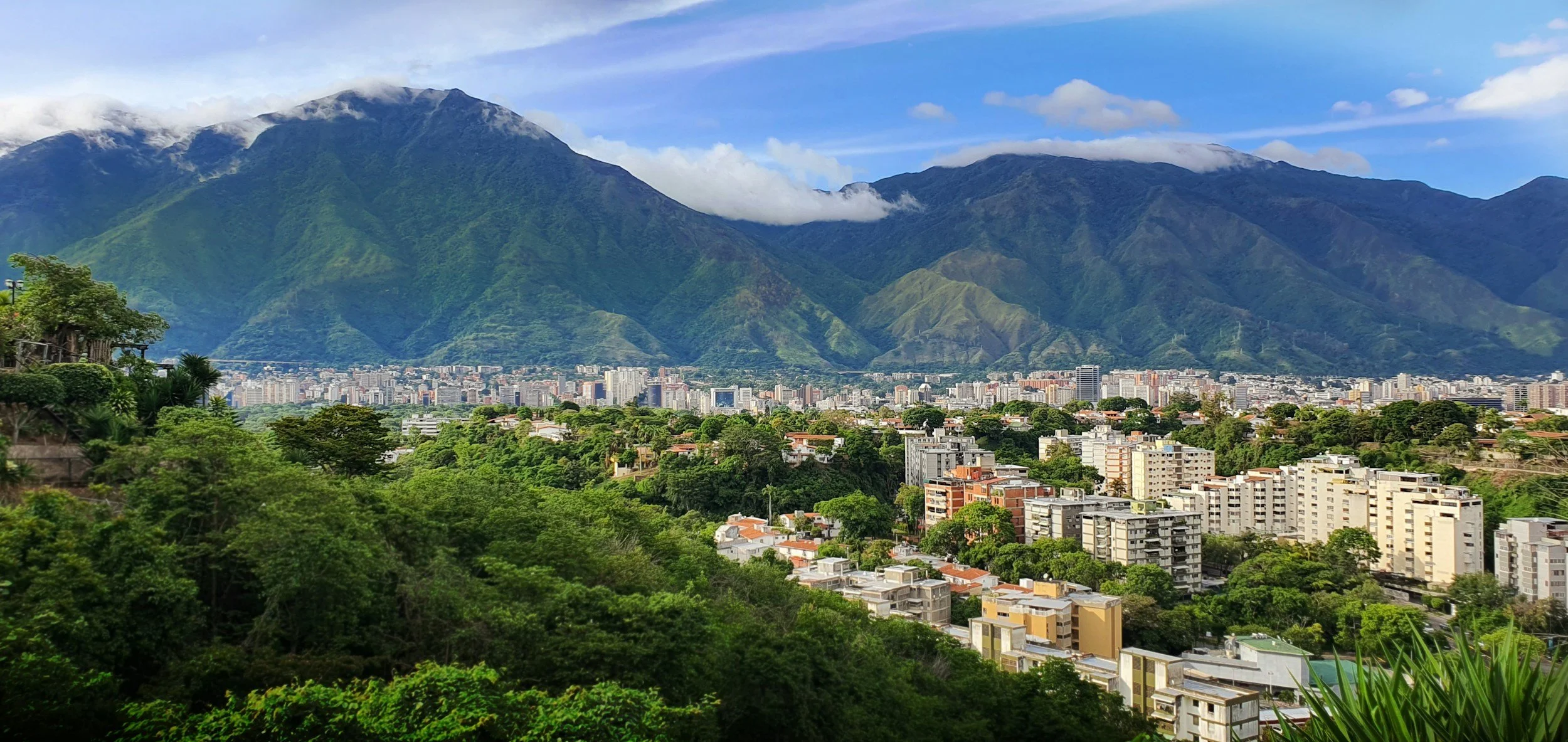
It is also one of the world’s 17 megadiverse countries — nations that collectively contain a huge share of Earth’s biological richness. These countries possess exceptional biodiversity, large numbers of endemic species, and ecosystems found nowhere else on the planet.
Venezuela’s natural landscapes are remarkably varied.
The country spans:
Caribbean coastlines and mangrove ecosystems
Andes mountain ranges and high-elevation parks
Vast savannas
Dense tropical forests
Portions of the Amazon rainforest
Major freshwater systems such as the Orinoco Basin
Its biodiversity is extraordinary.
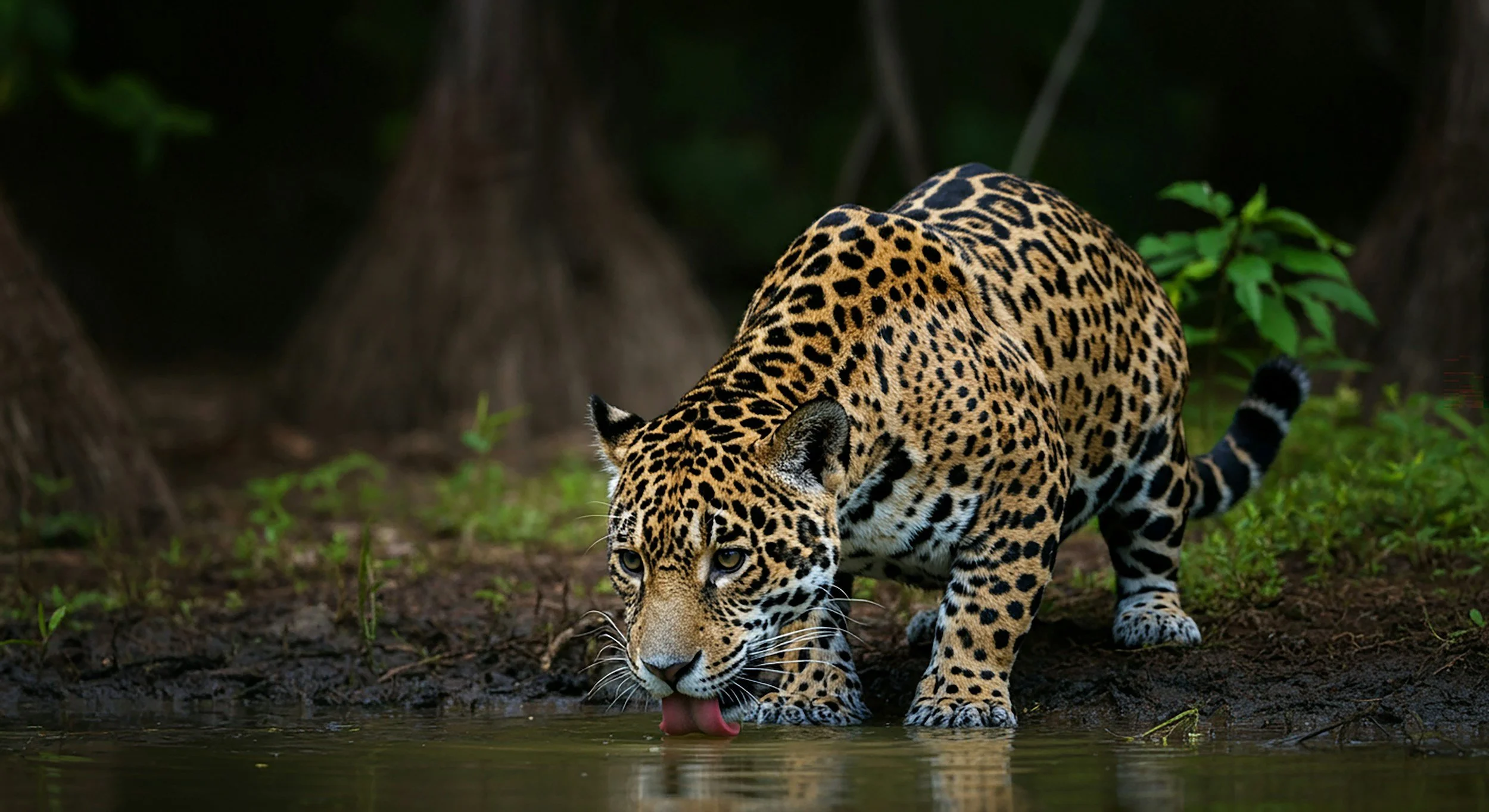
Venezuela contains approximately 21,000 plant species, many of them endemic, along with thousands of animal species and roughly 1,400 bird species. Jaguars, dolphins, monkeys, manatees, tropical birds, and rare Amazonian wildlife all inhabit its ecosystems.
Yet many of these systems are under growing pressure.
The Collapse of Venezuela’s Oil Infrastructure
For decades, oil revenue powered Venezuela’s economy.
At its height, the country produced roughly three million barrels of oil per day. But production has fallen dramatically.
According to the transcript, the deterioration accelerated after the Venezuelan government nationalized operations and removed major international oil companies in the 2000s. Aging infrastructure, poor maintenance, corruption, and underinvestment contributed to widespread operational decline.
The environmental consequences have been severe.
Reports describe extensive oil contamination affecting:
Rivers
Lakes
Coastal systems
Agricultural land
Drinking water supplies
State oil company records reportedly documented tens of thousands of oil spills over several years, with spills impacting freshwater ecosystems, wildlife habitat, and communities dependent on clean water.
For a country rich in freshwater and biodiversity, polluted water systems represent a major ecological and human crisis.

Illegal Gold Mining and the Destruction of Sensitive Ecosystems
As oil revenues declined, another extractive industry expanded:
gold mining.
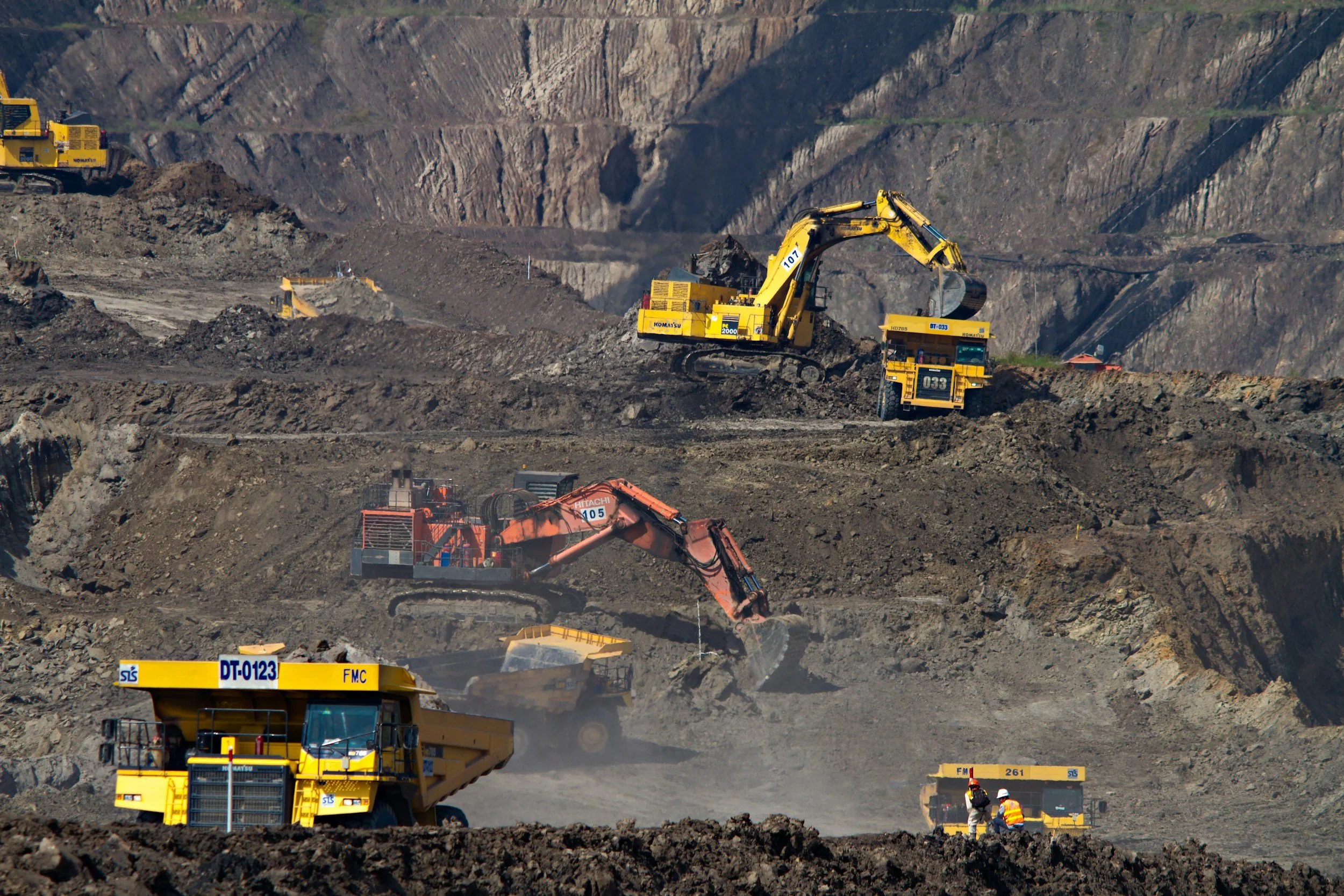
Across parts of Venezuela, particularly environmentally sensitive southern regions connected to the Amazon and Orinoco systems, mining activity has expanded dramatically.
Mining’s impacts extend far beyond excavation itself.
To extract gold, operations frequently use mercury, a highly toxic substance that contaminates rivers, soils, lakes, and aquatic food systems.
Mercury pollution poses serious risks to:
Fish populations
Wildlife
Drinking water systems
Indigenous communities that depend on rivers for food and daily life
Mining activity also accelerates:
Deforestation
Habitat fragmentation
Forest clearing
Soil degradation
In portions of southern Venezuela, mining expansion has become intertwined with criminal networks, informal economies, and weak environmental oversight.
Amazon Deforestation, Cattle Ranching, and Forest Loss
Venezuela contains part of the Amazon rainforest, one of the planet’s most important carbon storage systems.
Healthy tropical forests capture enormous quantities of carbon through vegetation, roots, and soils. They also support staggering biodiversity.
But Venezuela’s forests face mounting pressure.
The transcript identifies several major drivers of forest loss:
Illegal and industrial mining
Cattle ranching expansion
Land clearing for agriculture and livestock
Logging and infrastructure pressures
Cattle ranching in particular contributes to forest conversion as wooded landscapes are cleared for grazing land and feed production.
The consequences are global as well as local.
Deforestation weakens biodiversity protection, degrades watersheds, and undermines the Amazon’s role as a major natural carbon storage system.
The Wildlife Crisis: A Growing Illegal Animal Trade
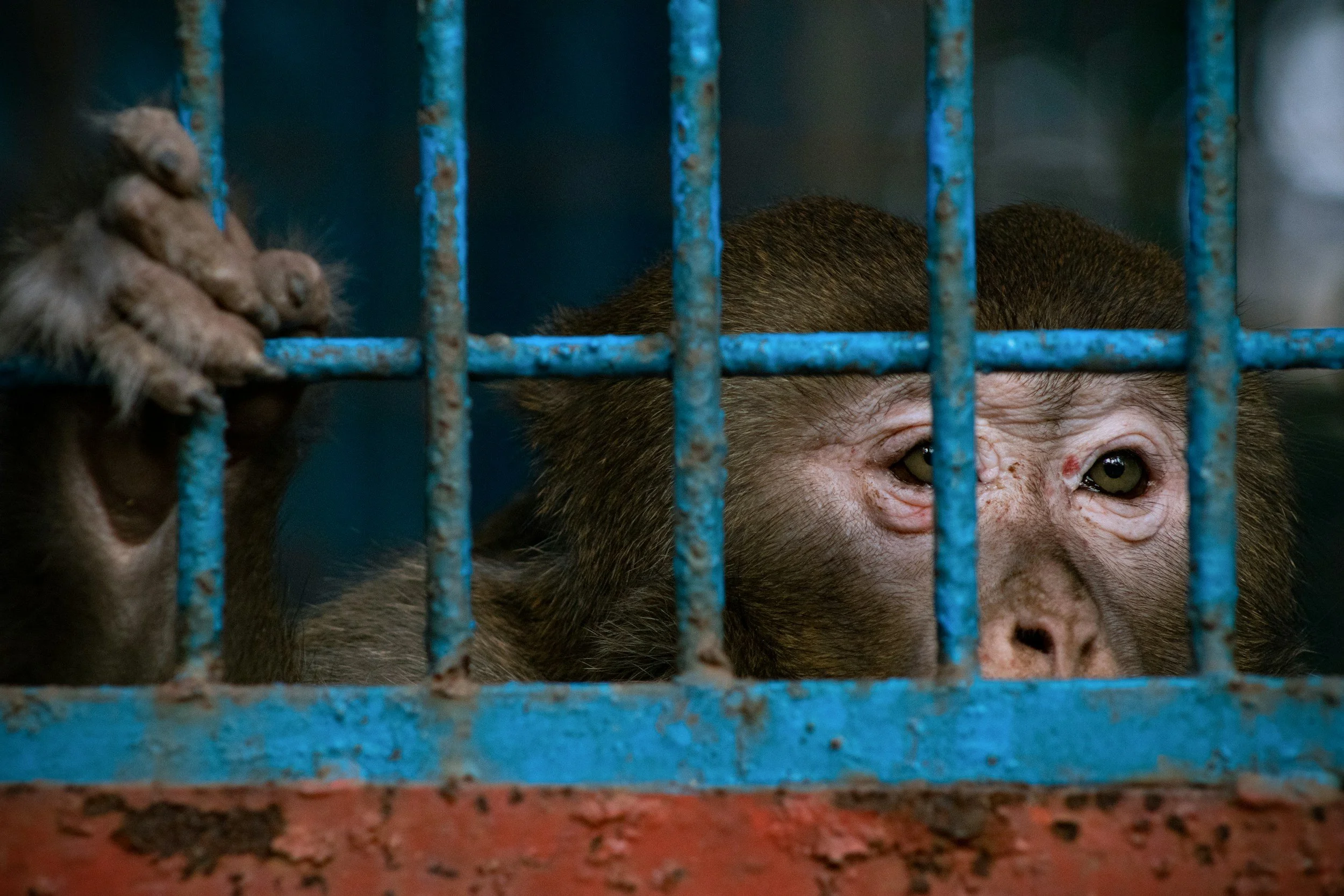
One of the lesser-known aspects of Venezuela’s environmental crisis is the rapid expansion of wildlife trafficking and hunting.
The transcript describes a multimillion-dollar trade involving rare animals captured for:
Illegal pet markets
Bush meat consumption
Skins, shells, and body parts
Traditional medicine markets
Species reportedly targeted include:
Jaguars
Tropical parrots and macaws
Monkeys
Giant river otters
Iguanas
Turtles and tortoises
Dolphins
Manatees
Capybaras and armadillos
For many species already stressed by habitat destruction, poaching creates a second layer of pressure.
The crisis is also deeply tied to economics.
Widespread poverty, food insecurity, and displacement have pushed some communities toward survival strategies involving wildlife capture and bush meat consumption.
The Hidden Cost of Environmental Institutions Breaking Down
Conservation depends on functioning institutions.
Protected areas, environmental regulations, wildlife enforcement, pollution monitoring, and land-use management require agencies capable of carrying out those responsibilities.
The transcript argues that many environmental institutions in Venezuela have been weakened or hollowed out, reducing oversight of pollution, mining, wildlife trafficking, and ecosystem destruction.
When governance structures fail, environmental damage can accelerate quickly.
Oil spills increase.
Mining expands.
Protected areas weaken.
Wildlife exploitation grows.
And biodiversity hotspots become increasingly vulnerable.
Why Venezuela Matters Beyond Its Borders
Venezuela’s environmental story is not only about one country.
It touches issues of global importance:
Amazon conservation
Biodiversity protection
Carbon storage and climate regulation
Wildlife trafficking
Indigenous rights
Pollution and resource governance
As one of Earth’s megadiverse nations, Venezuela’s ecosystems matter far beyond its borders.
Its forests store carbon.
Its wetlands support wildlife.
Its biodiversity represents millions of years of evolutionary history.
The stakes are therefore much larger than oil production alone.
A Nation Rich in Nature, Facing Environmental Emergency
Venezuela possesses extraordinary ecological wealth.
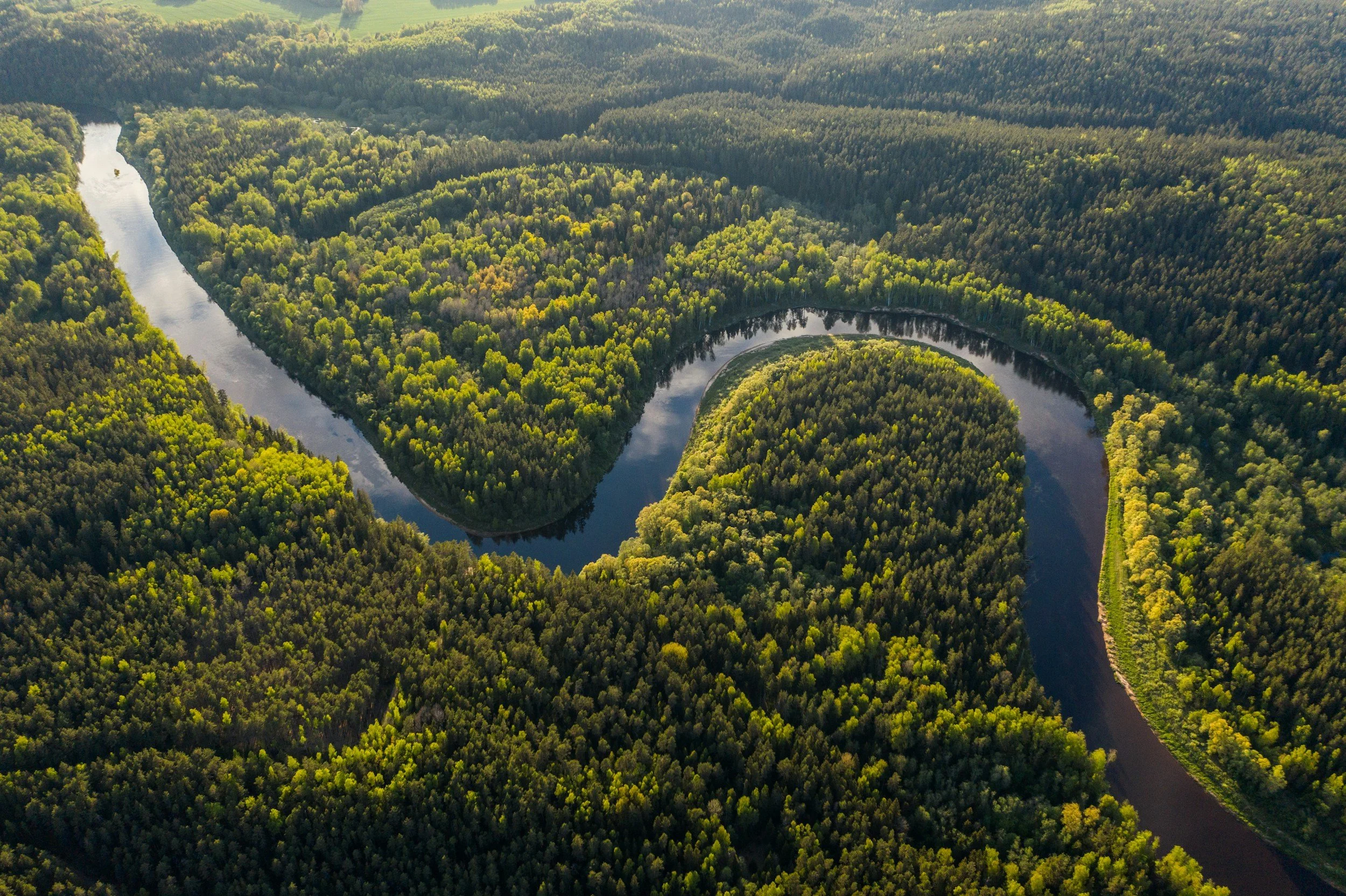
Few countries combine Amazon rainforest, Caribbean coastlines, mountain ecosystems, vast river systems, endemic species, and immense biodiversity within one national boundary.
But environmental abundance does not guarantee environmental protection.
The story emerging from Venezuela is one of mounting pressures: polluted oil systems, expanding mining, deforestation, weakened environmental oversight, wildlife exploitation, and human desperation.
The tragedy is that some of the planet’s richest natural systems are being strained at precisely the moment when biodiversity, forests, wetlands, and carbon storage matter more than ever.
What happens to Venezuela’s environment will not stay confined to Venezuela.
Because biodiversity loss, Amazon degradation, and climate disruption do not recognize national borders.