Greenland, Climate Change, and the Arctic Front Line: Why a Nation That Emitted Almost Nothing Is Paying the Price
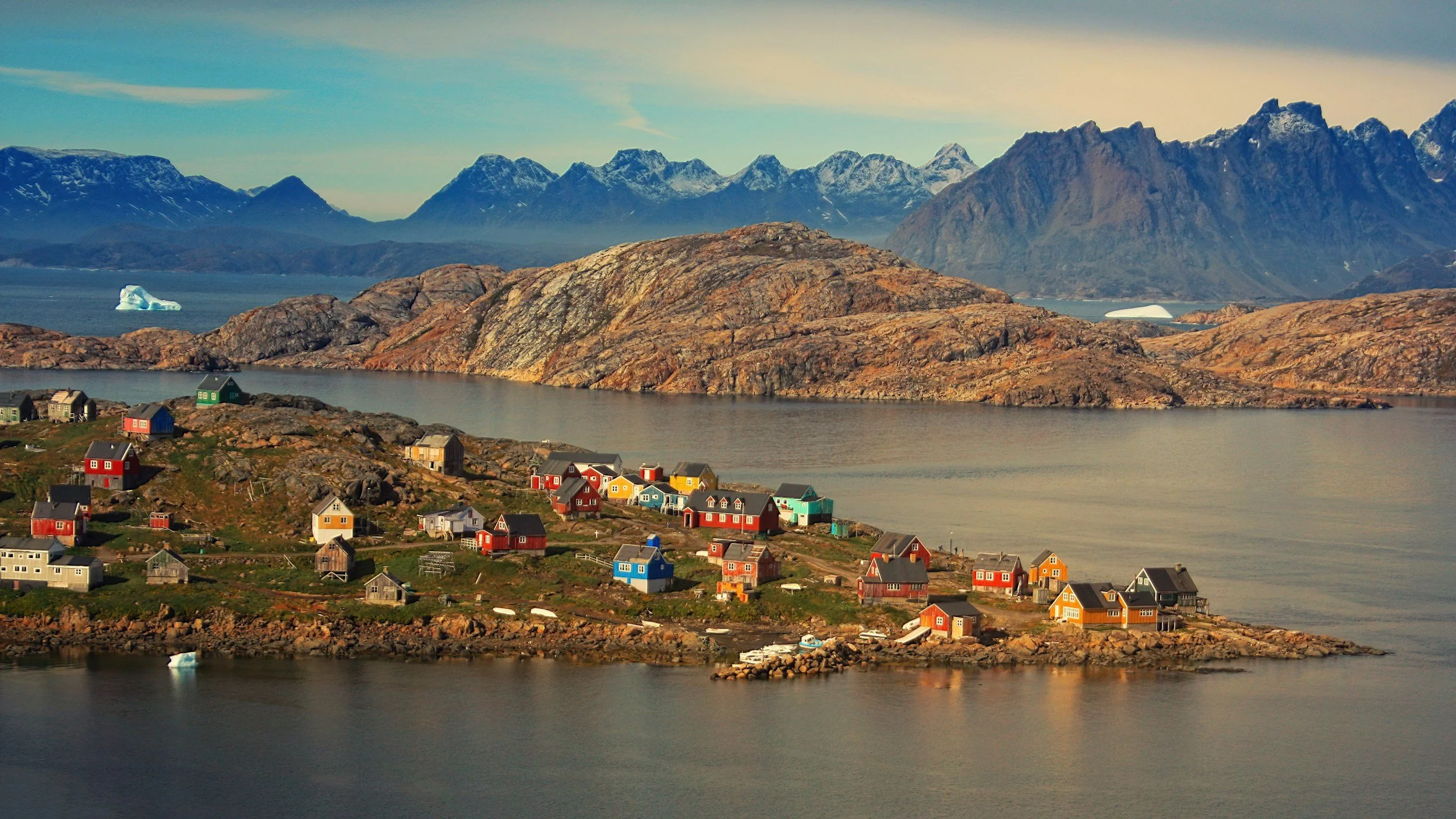
Greenland sits at the front lines of climate change.
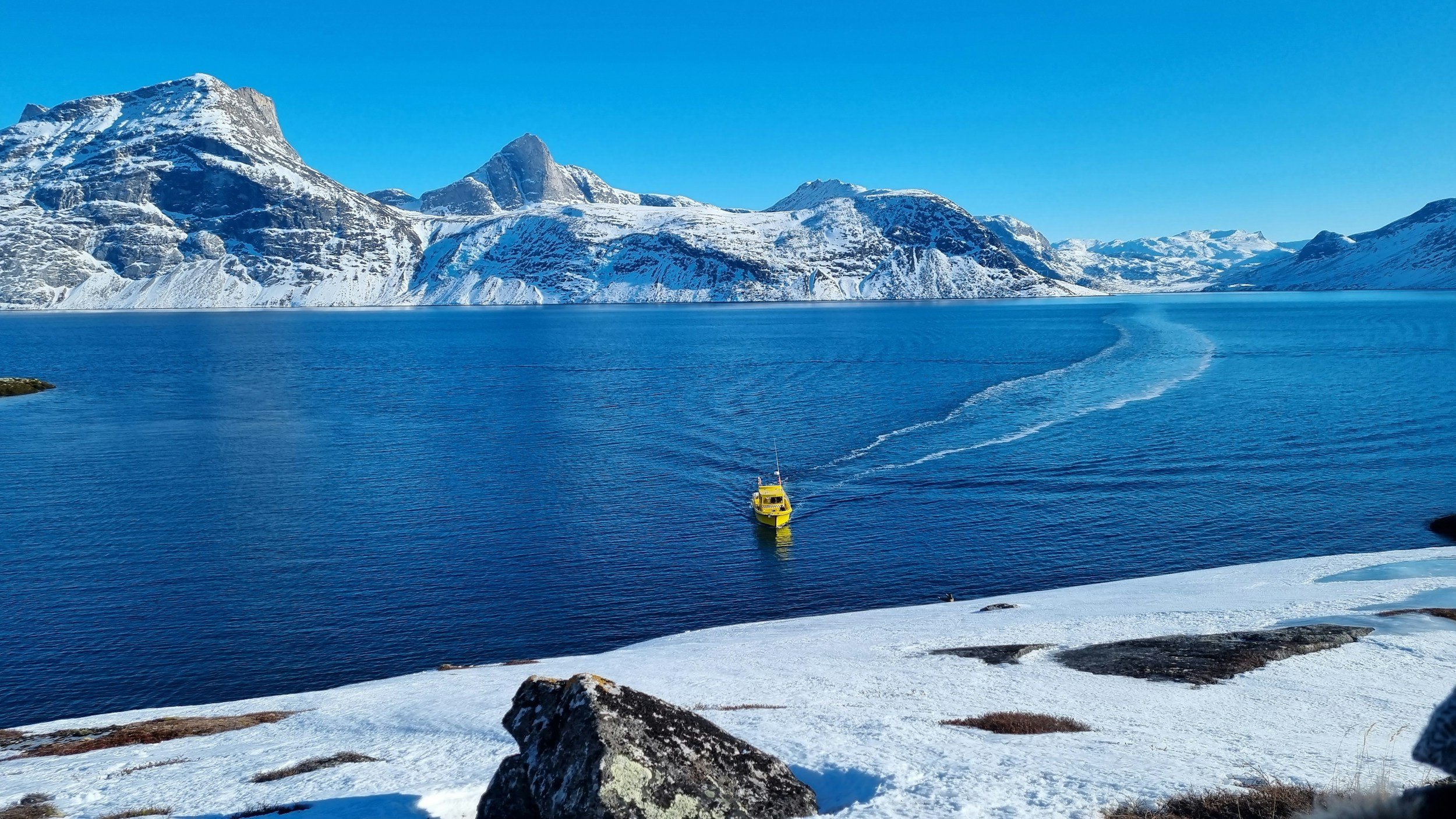
Vast, icy, remote, and home to a deeply rooted Indigenous culture, Greenland is experiencing some of the most dramatic environmental changes unfolding anywhere on Earth.
And yet Greenland contributed almost nothing to causing the crisis.
In recent political headlines, Greenland has drawn international attention because of renewed geopolitical interest, resource debates, and discussions involving U.S. ambitions toward the island.
But beyond politics lies a much larger story:
Greenland is already living through the consequences of global warming.
Melting ice, coastal erosion, changing fisheries, infrastructure challenges, and cultural disruption are reshaping life for Greenland’s people in real time.
Greenland: A Distinct Culture in the Arctic
Greenland is home to roughly 57,000 people, the vast majority of whom are Inuit or closely connected to broader Indigenous Arctic communities across Canada and Alaska.
For centuries, Greenlandic life has been deeply intertwined with the Arctic environment.
Fishing, hunting, marine resources, travel across sea ice, and intimate ecological knowledge have shaped livelihoods and culture for generations.
This is not simply an island covered in ice.
It is a living society with a distinct language, identity, traditions, and relationship to land and sea stretching back more than a thousand years.
Greenland’s Ice Is Melting — And the Pace Is Accelerating
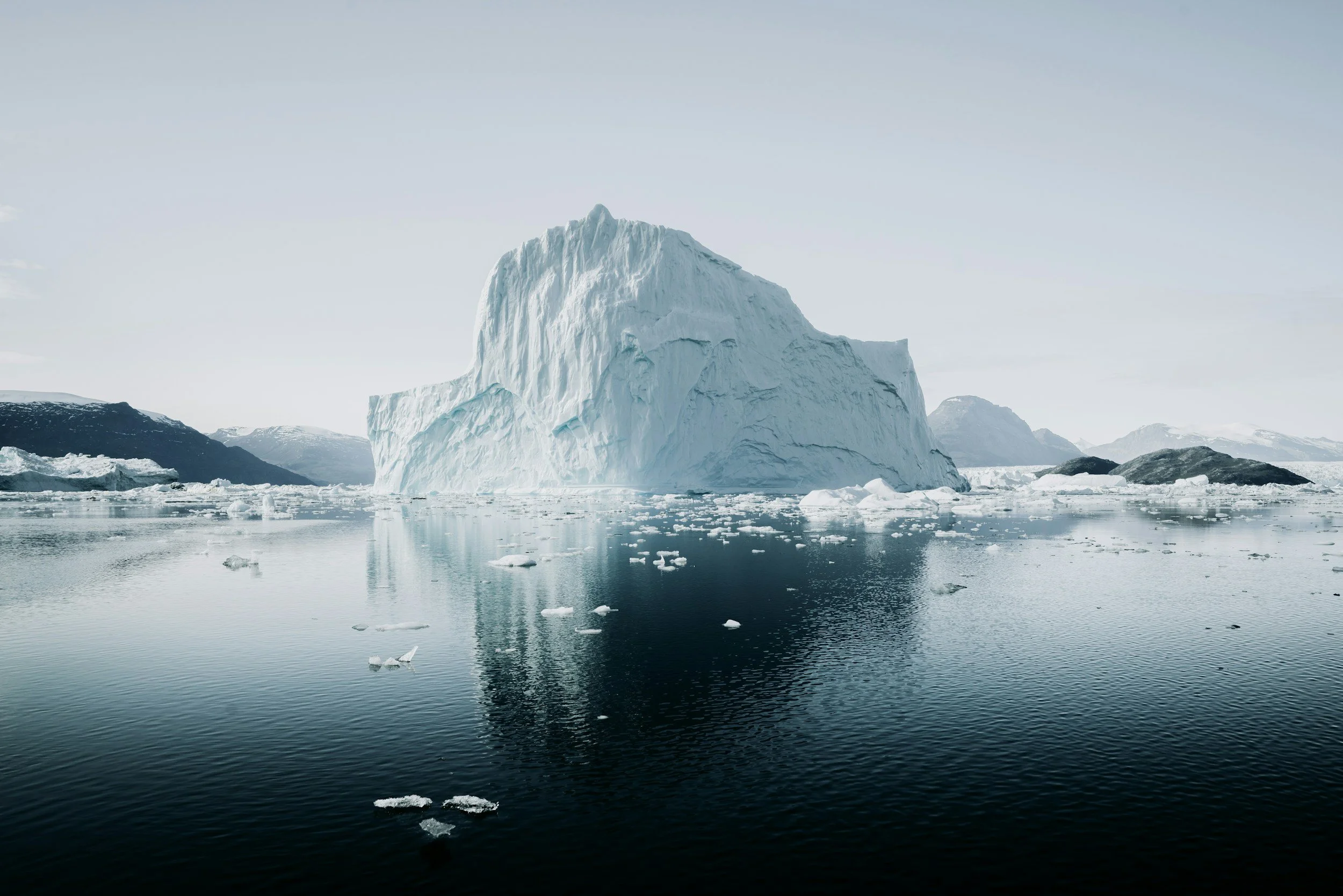
About 80% of Greenland is covered by ice.
That ice is now melting at increasingly alarming rates.
Scientists track two major processes affecting Greenland’s ice sheet:
Surface melting, which reduces the total ice mass
Glacial calving, where enormous chunks of ice break away from glaciers and coastal ice fronts
Both processes contribute to global sea level rise.
While ocean warming and thermal expansion remain major drivers of rising seas worldwide, Greenland’s ice sheet is expected to become an increasingly important contributor as the century progresses.
The troubling reality is not just that Greenland is melting.
It is that the melting is accelerating.
The Arctic Is Heating Faster Than the Rest of the World
One reason Greenland is changing so rapidly is a phenomenon known as Arctic amplification.
Most of the planet has warmed significantly since industrialization. But the Arctic is warming far faster than global averages. In Greenland and other Arctic regions, temperature increases can reach three to four degrees Celsius, substantially above broader global warming trends.
Why?
Part of the answer lies in the physics of ice.
Snow and ice naturally reflect sunlight back into space.
But as ice disappears, darker land and ocean surfaces become exposed. These darker surfaces absorb more heat instead of reflecting it.
The result is a powerful feedback loop:
less ice leads to more heat absorption, which causes more warming and more melting.
Climate Change Is Reshaping Daily Life in Greenland
Climate change in Greenland is not an abstract environmental statistic.
It affects daily survival, infrastructure, culture, and economic life.
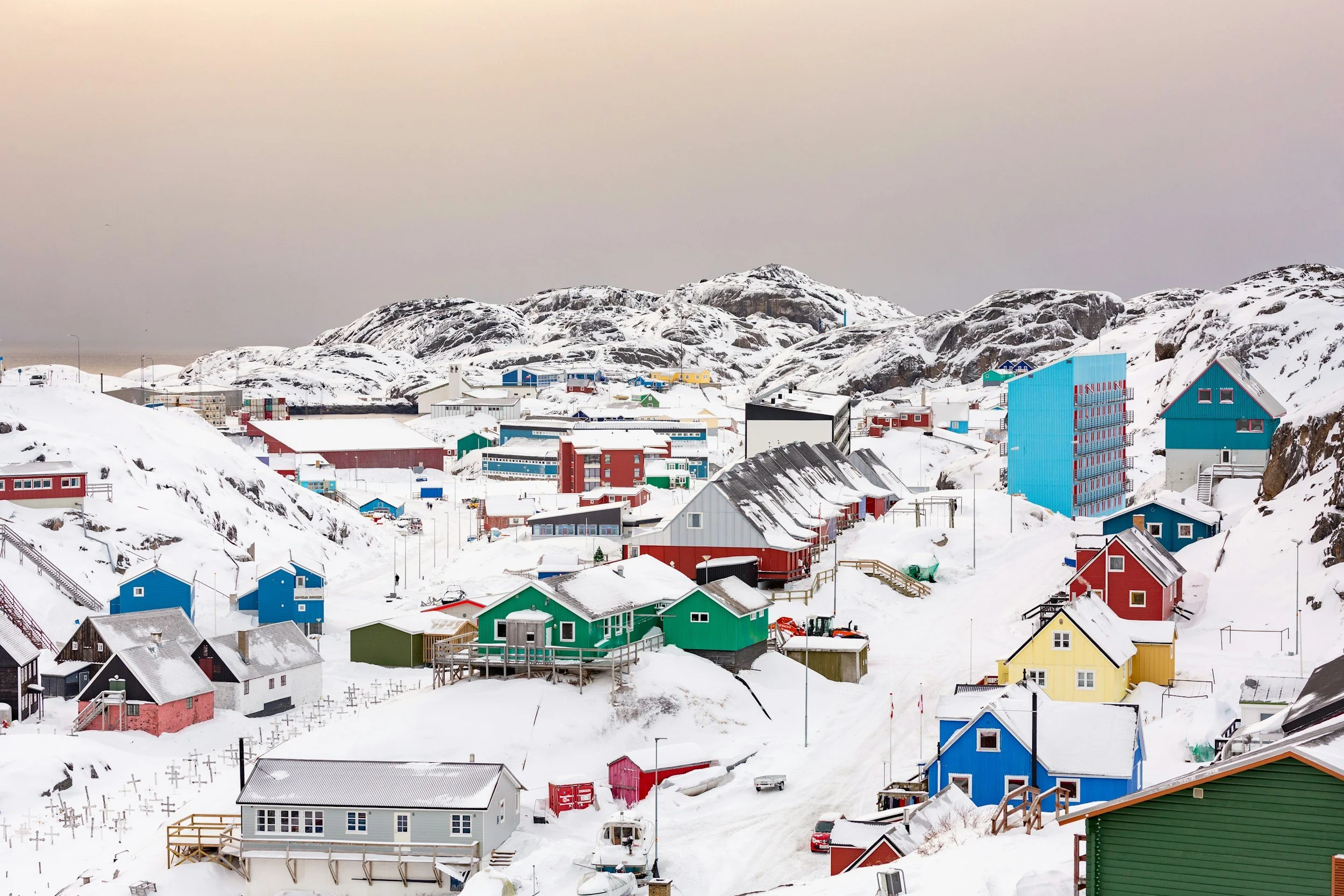
Approximately 90% of Greenland’s population lives in coastal communities, making the country especially vulnerable to climate-driven coastal impacts.
Communities face growing challenges including:
Coastal erosion
Flooding of low-lying areas
Damage to roads and building foundations
Strain on ports and harbors
Saltwater impacts on water and sewage systems
Relocation is not simple.
Much of Greenland’s interior lacks major infrastructure, limiting easy movement away from vulnerable coastlines.
For many communities, adapting means confronting difficult choices about where and how future generations will live.
Fishing, Hunting, and Food Systems Under Pressure
The environmental changes unfolding across Greenland also affect the country’s most important livelihoods.
Fishing is central to Greenland’s economy.
But warming oceans are altering fish distribution patterns, spawning areas, and marine ecosystems. Species move northward or shift ranges as ocean temperatures change, increasing uncertainty for fishing communities.
Hunting traditions are also being disrupted.
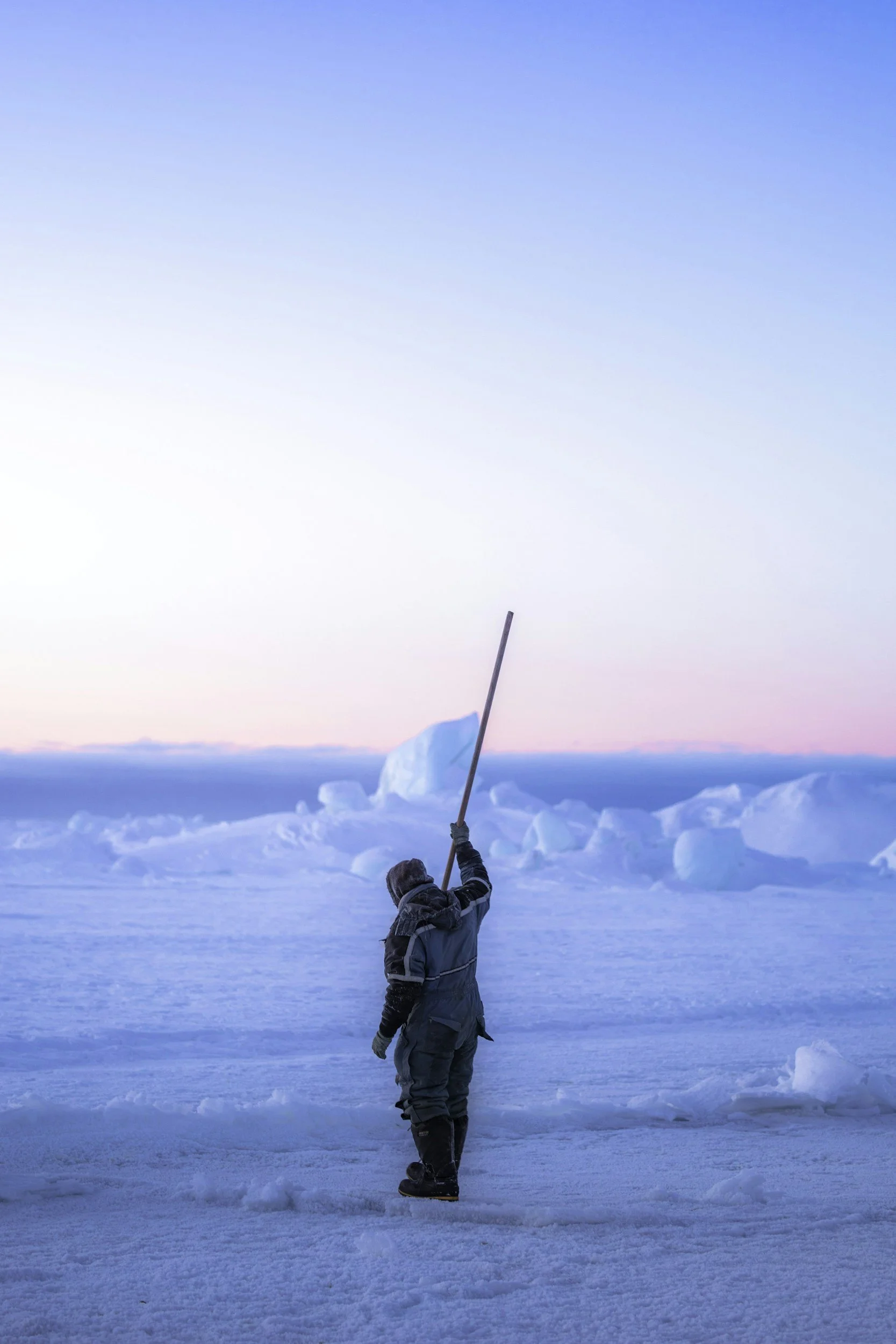
Sea ice stability matters enormously for Arctic travel, hunting routes, and access to wildlife.
As Arctic ice diminishes, travel becomes more dangerous and less predictable.
Changing climate conditions also alter the migration behavior of fish, caribou, and other species that communities have relied upon for generations.
In Greenland, climate change is not only changing landscapes.
It is changing long-held ecological knowledge itself.
A Personal Connection to Greenland
For me, Greenland is not merely a climate topic.
It is personal.
My younger brother married a Greenlandic woman named Beta. Through her family, we gained a glimpse into Greenland’s culture and traditions. Her parents came from Greenland for their wedding, bringing beautiful ceremonial clothing crafted from seal skin and traditional materials made by members of their village community.
Her father was a hunter and fisherman.
That was his livelihood.
That was his connection to Greenland.
Experiences like this make climate change feel much less like a distant policy discussion and much more like a human story involving real families, real cultures, and real ways of life under pressure.
Climate Injustice in the Arctic
Perhaps the most powerful lesson from Greenland is the issue of climate justice.
Greenland’s emissions are extremely small on a global scale.
Yet Greenland faces some of the most severe climate impacts anywhere on Earth.
Many Greenlanders and Arctic Indigenous leaders frame this as a profound moral imbalance.
Industrialized countries accumulated wealth over generations through fossil fuel use and large greenhouse gas emissions.
Meanwhile, Arctic peoples who contributed very little to global warming are confronting:
Loss of land
Cultural disruption
Economic instability
Infrastructure damage
Ecological transformation
Some Indigenous leaders describe this dynamic as a form of “climate colonialism” — where the benefits of industrial growth flowed elsewhere while environmental consequences fall disproportionately on vulnerable communities.
Why Greenland Matters to the World
What happens in Greenland will not stay confined to Greenland.
Its ice influences global sea levels.
Its warming reflects broader transformations unfolding across the Arctic.
Its challenges raise difficult questions about emissions, accountability, adaptation, and justice.
But Greenland also forces us to confront a deeper human question:
What does responsibility look like in a warming world?
When communities that contributed the least to climate change suffer some of its harshest consequences, how should high-emitting nations respond?
For Greenlanders, the answer is not symbolic concern alone.
It is meaningful emissions reductions, accountability, and recognition that climate change is already disrupting homes, cultures, economies, and landscapes today — not decades from now.
Greenland is not a distant Arctic abstraction.
It is one of the clearest warnings of what unchecked warming means for people, ecosystems, and cultures living at the edge of a rapidly changing planet.