The Amazon Rainforest and Indigenous Peoples: Why Protecting Indigenous Rights May Be the Key to Saving the Amazon
The Amazon Rainforest is the largest tropical forest on Earth.
Covering nearly 7 million square kilometers across nine South American countries, the Amazon is so vast that its influence extends far beyond its borders. What happens inside this forest affects global climate systems, rainfall patterns, biodiversity, carbon storage, and the future of ecosystems across continents.
But the story of the Amazon is not just about trees.
It is also a story about people.
The future of the Amazon is deeply connected to the Indigenous nations that have lived there for thousands of years — communities whose stewardship, ecological knowledge, and spiritual relationship with the forest may represent one of the most effective defenses against environmental collapse.
The Amazon Is Home to Hundreds of Indigenous Nations
The Amazon is home to more than 400 Indigenous nations, representing between roughly 1.5 and 2.7 million people, depending on estimates.
Some communities have maintained deep connections to the forest for millennia.
Others remain largely isolated from industrial society. Researchers estimate there are still dozens of uncontacted Indigenous groups in the Amazon who depend almost entirely on healthy, intact forest ecosystems for survival.
For these communities, the Amazon is not simply land or natural scenery.
It is food system, transportation network, medicine cabinet, spiritual center, and home.
Rivers provide fish, freshwater, and mobility. Forests provide shelter, materials, wildlife, and cultural identity.
Their relationship to the forest is not based on ownership or domination.
It is based on belonging.
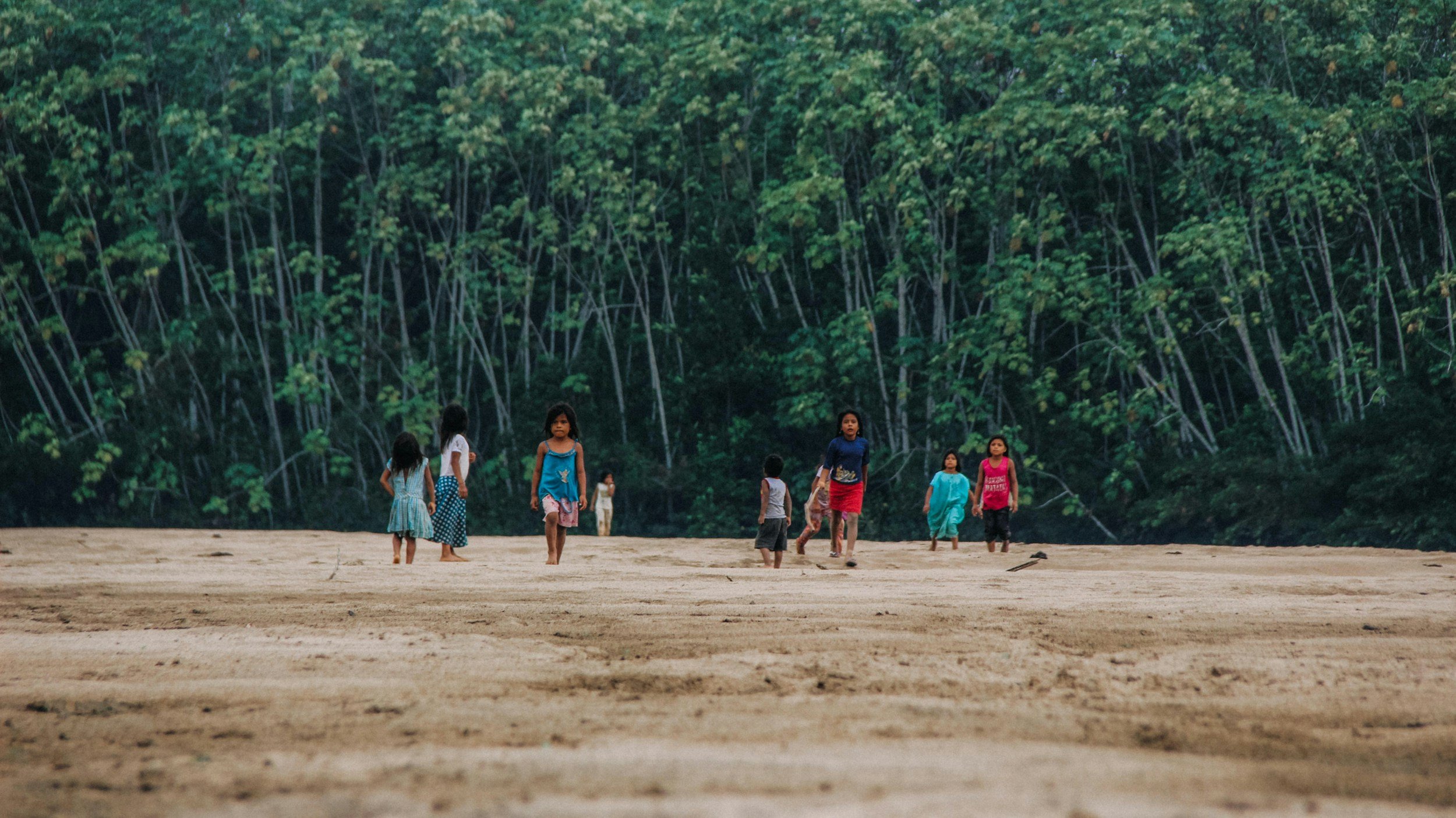
Indigenous Stewardship Protects the Forest
Indigenous territories account for roughly 30% of the Amazon rainforest. Research repeatedly shows that many of these lands experience lower deforestation rates than surrounding areas — in some cases outperforming even government-managed protected zones.
This matters enormously for climate stability.
Healthy Amazon forests store immense quantities of carbon in trees, roots, and surrounding soils.
When forests remain intact, they function as powerful carbon sinks, helping absorb carbon dioxide from the atmosphere.
When forests are cleared, degraded, or burned, they can become carbon sources, releasing stored carbon back into the climate system.
The evidence increasingly suggests that protecting Indigenous land rights is not only a cultural or human rights issue.
It is also one of the most effective conservation strategies available.
The Amazon’s Invisible Climate Engine
The Amazon does far more than store carbon.
It helps regulate climate across much of South America — and beyond.
One of its most important functions is a process called evapotranspiration.
Trees pull water from the soil through their roots and release moisture into the atmosphere through their leaves. A single large tree can release hundreds of gallons of water per day. Across the forest, this creates an enormous atmospheric system of moisture circulation.
Scientists often describe these atmospheric flows as “flying rivers.”
These airborne rivers of moisture help generate rainfall across South America, influencing weather systems in:
Brazil
Paraguay
Uruguay
Argentina
Chile
Other neighboring regions
Agriculture, hydropower, drinking water supplies, and regional climate stability all depend, in part, on the Amazon’s continued functioning.
Without the Amazon, much of South America could become significantly drier.
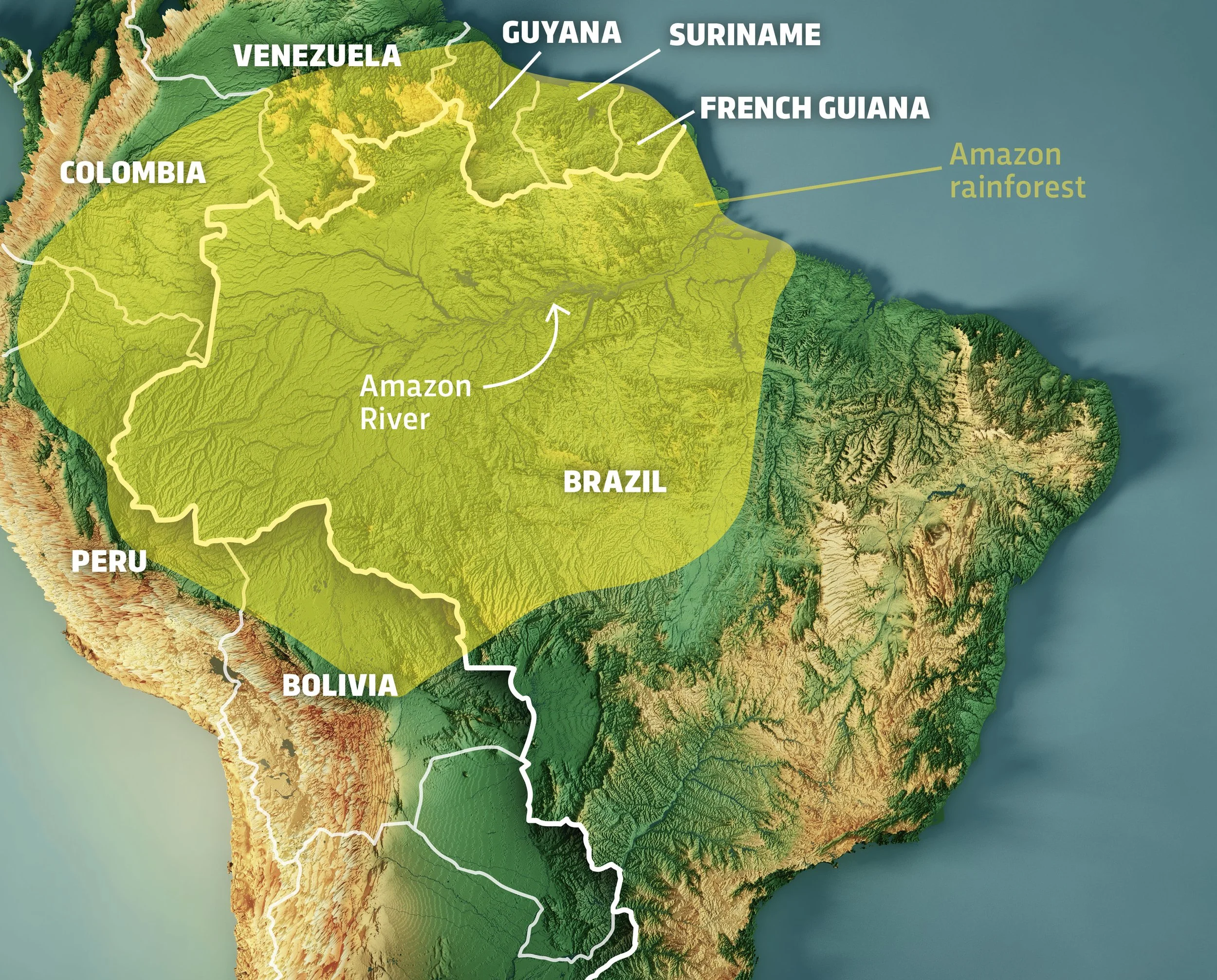
The Amazon Is Approaching a Dangerous Tipping Point
The Amazon is under mounting pressure.
Deforestation, fires, agriculture, ranching, and mining have already damaged large portions of the forest.
Current estimates suggest roughly 17% of the Amazon has been deforested or substantially degraded. Scientists warn that if forest loss reaches approximately 20–25%, the system could approach a dangerous tipping point.
At that threshold, parts of the Amazon may begin transforming from rainforest into drier savanna-like ecosystems.
This would dramatically weaken its ability to:
Store carbon
Generate rainfall
Preserve biodiversity
Stabilize regional climate
In other words, the Amazon could shift from helping regulate climate to accelerating climate disruption.
What Is Driving Amazon Deforestation?
Several human activities continue driving forest loss across the basin.
One of the largest contributors is cattle ranching.
Large areas of forest are cleared to create grazing land for beef production.
Other major pressures include:
Soy agriculture
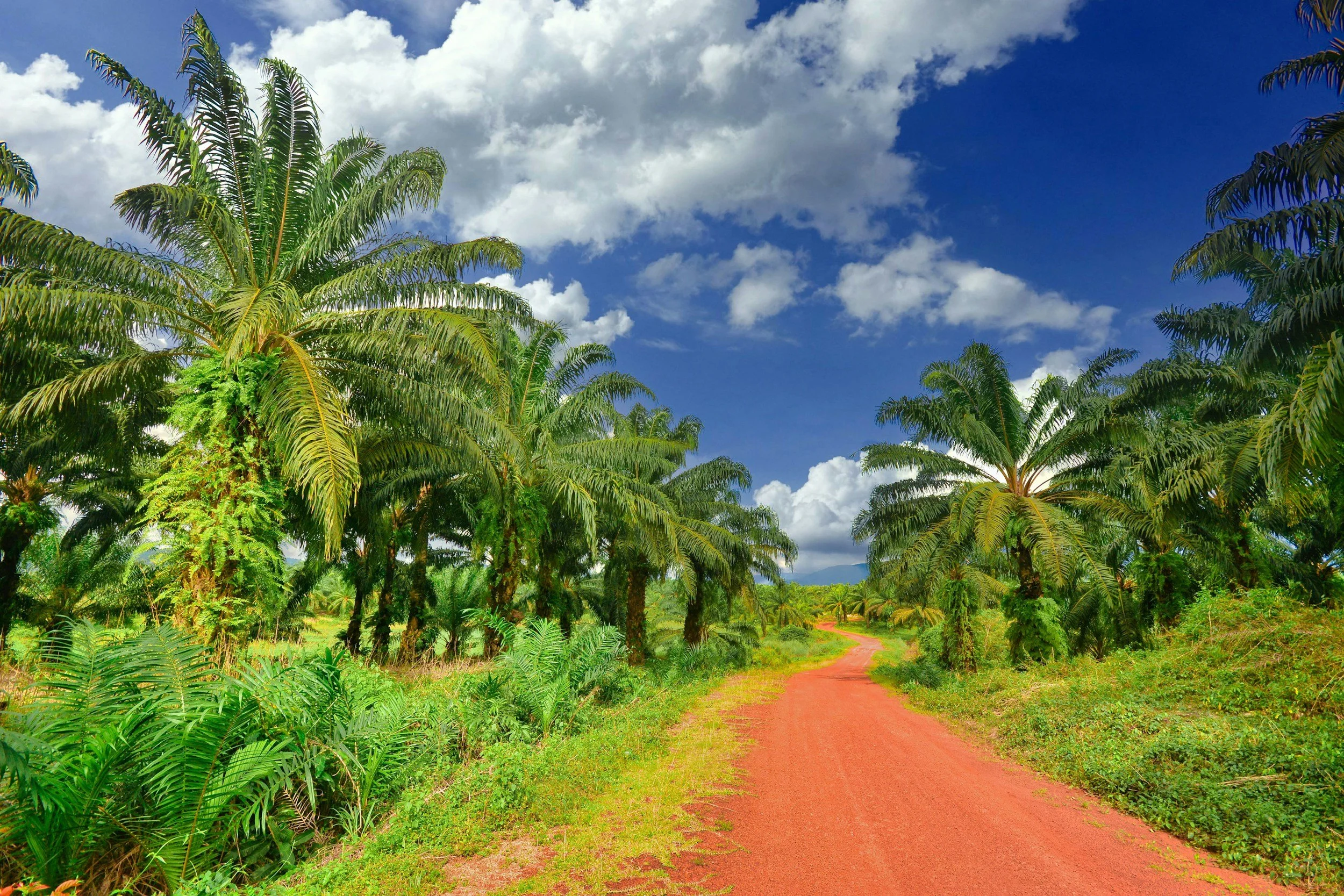
Oil palm plantations
Logging
Infrastructure expansion
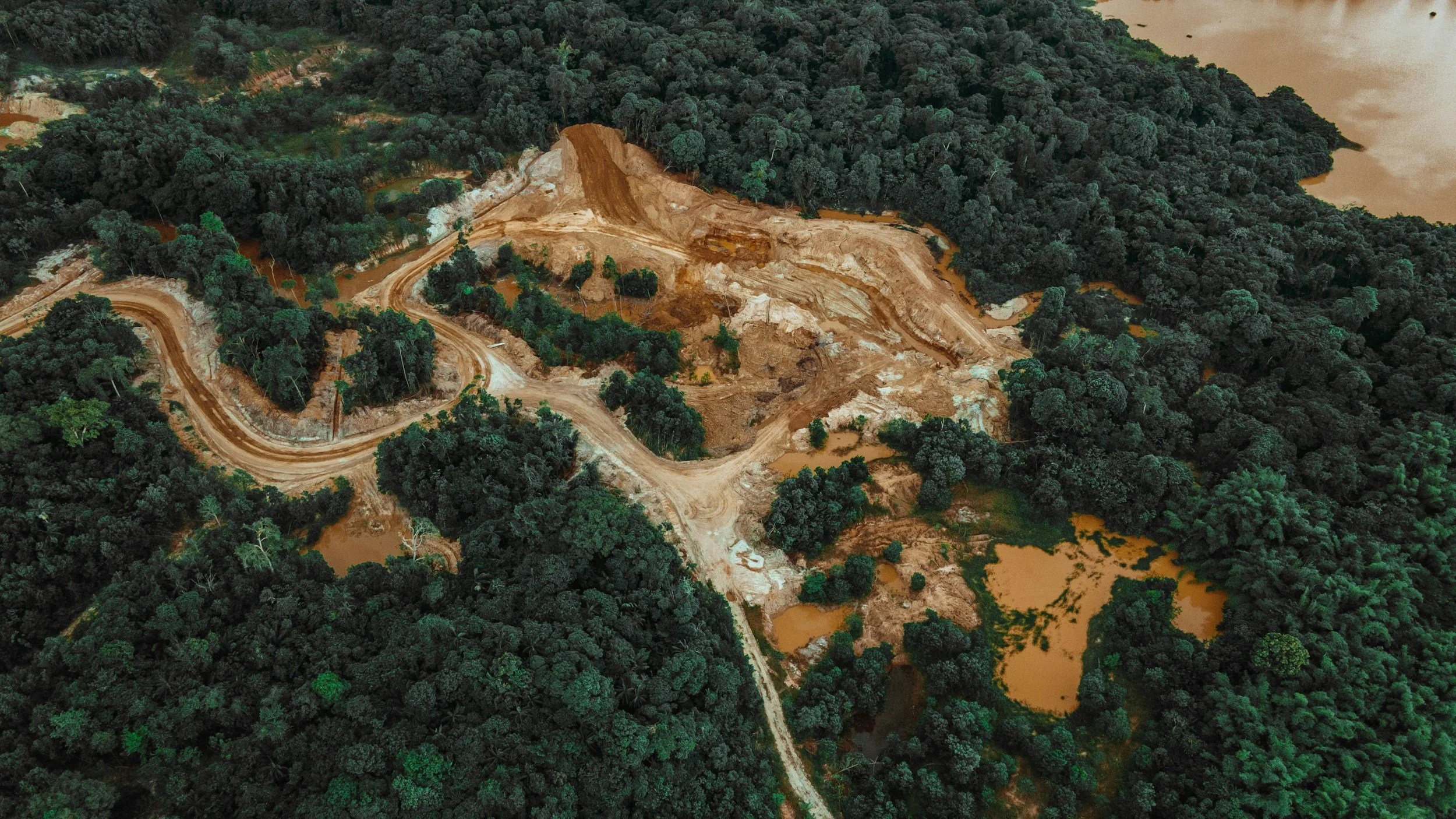
Mining operations, particularly gold mining
Mining creates especially complex environmental impacts.
Gold extraction frequently uses mercury, a toxic substance that can contaminate rivers, forests, wildlife, and surrounding communities. Mining operations often expand into remote forest regions and can directly threaten Indigenous territories and livelihoods.
Meanwhile, hotter and drier conditions are intensifying forest fires, which have become major drivers of Amazon forest loss in recent years.
Deforestation itself can further increase local temperatures, weaken rainfall cycles, and create conditions that promote even more drying and fire risk.
Indigenous Knowledge and the Future of Conservation
One of the most important shifts occurring in global environmental discussions is a growing recognition of Indigenous ecological knowledge.
Indigenous communities have spent generations observing seasonal cycles, wildlife movement, water systems, forest health, and ecological change. They understand landscapes not through short-term extraction models, but through long-term relationships built across centuries.
Increasingly, conservation groups, governments, and international institutions are acknowledging that this knowledge matters.
At recent international climate negotiations, Indigenous representatives have gained greater visibility and stronger participation in discussions about forest protection, climate change, and land stewardship.
The lesson is becoming difficult to ignore:
The people who have protected the forest most effectively may be the people who have lived within it the longest.
Environmental Defenders Face Real Danger
Protecting the Amazon often comes with enormous personal risk.
Around the world, environmental organizations track violence, intimidation, and killings directed at environmental defenders — people working to protect forests, rivers, land rights, and biodiversity.
Many of these attacks occur in Latin America and the Amazon region.
Indigenous leaders, community organizers, and environmental defenders frequently confront powerful interests linked to:
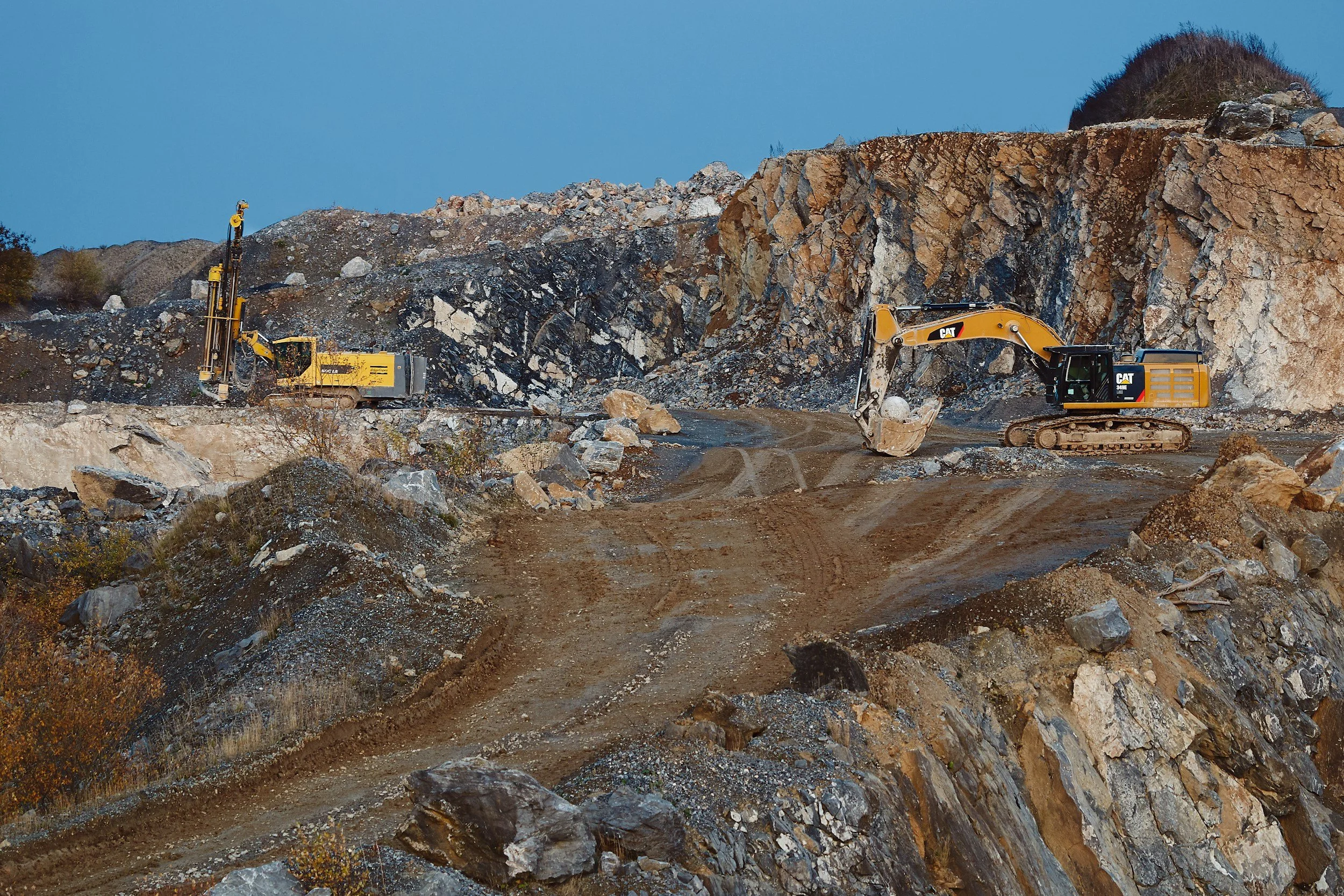
Illegal mining
Deforestation
Land grabbing
Ranching expansion
Resource extraction
Many defenders have faced harassment, threats, and violence for protecting their territories.
Why Indigenous Rights Matter for the Planet
When Indigenous land rights are recognized and protected, forests are more likely to remain standing.
That reality carries implications far beyond the Amazon itself.
Protecting Indigenous stewardship helps protect:
Biodiversity
Carbon storage
Rainfall systems
Water cycles
Climate stability
Cultural heritage
Saving the Amazon is not simply a conservation challenge about preserving trees.
It is also about recognizing the people whose knowledge, traditions, and stewardship have helped sustain one of Earth’s most important ecosystems for generations.
The future of the Amazon rainforest is inseparable from the future of the Indigenous peoples who call it home.
And because the Amazon plays such a powerful role in regulating climate, biodiversity, and planetary systems —
the future of the Amazon is inseparable from our own.