Indigenous Views of Nature: What Modern Society Can Learn from Indigenous Relationships with the Earth
How do Indigenous peoples view nature?
The answer is complex because there are thousands of Indigenous cultures across the planet, living in vastly different environments — Arctic tundra, tropical forests, deserts, mountains, grasslands, and coastal ecosystems.
But despite this diversity, many Indigenous traditions share several foundational principles about humanity’s relationship with the natural world.
These ideas challenge many assumptions common in modern industrial society.
At their core, many Indigenous worldviews hold a profoundly different understanding of land, animals, water, ownership, responsibility, and what it means to be human within nature.
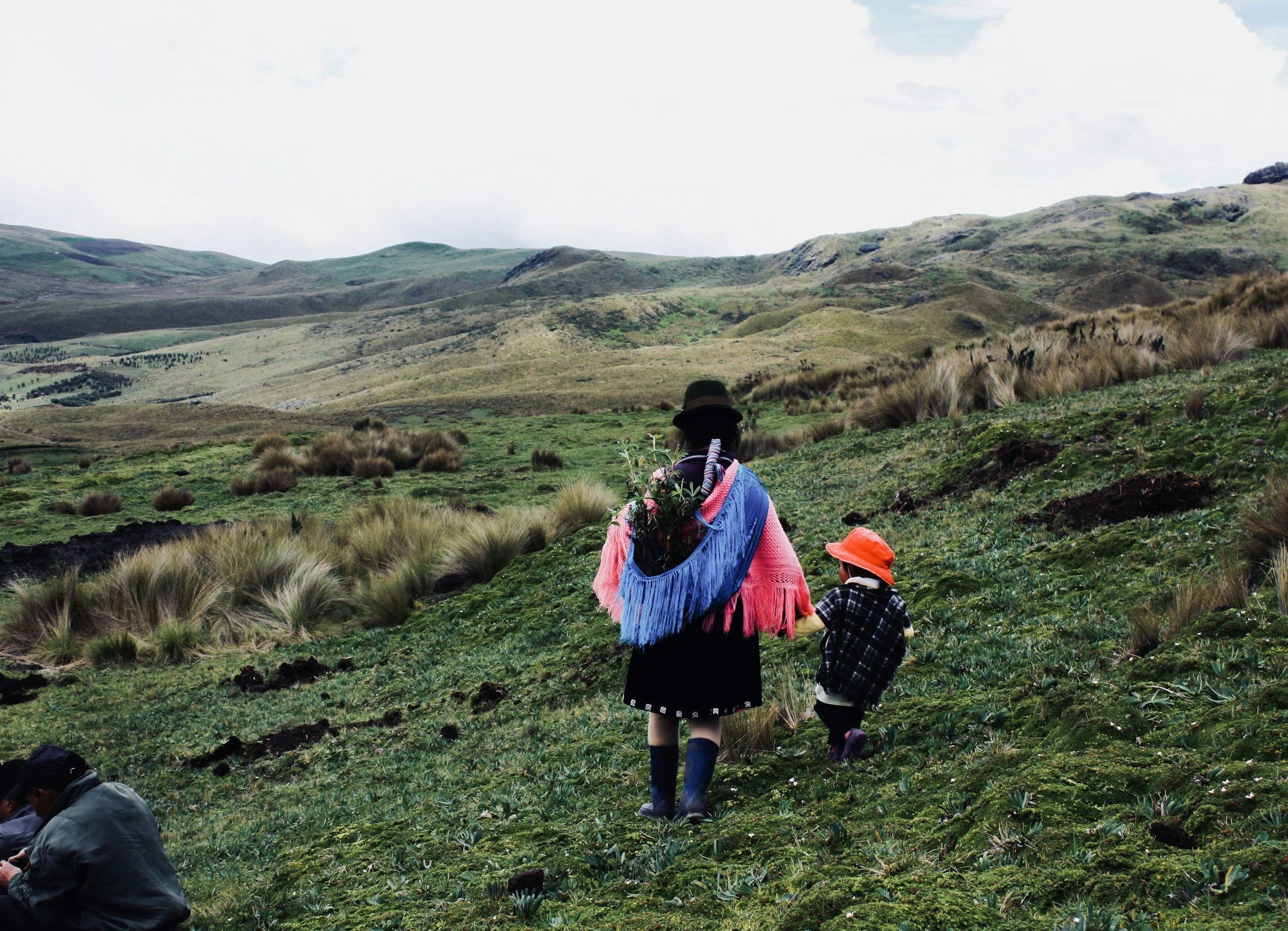
Humans Are Part of Nature — Not Above It
One of the most widespread principles across many Indigenous traditions is simple but powerful:
Humans are part of nature, not separate from it and not superior to it.
This differs sharply from dominant Western traditions that often frame humans as managers, owners, or controllers of the natural world.
In many Indigenous belief systems, people do not stand outside ecosystems.
They belong within them.
Animals, plants, rivers, forests, mountains, and human communities are all part of a broader web of life.
Humans are not the only important life form.
They are one among many.
Nature Is Alive, Relational, and Spiritually Significant
Across many Indigenous traditions, nature is not viewed as an inert collection of resources waiting to be extracted.
Instead, the natural world is often understood as a community of living beings with spiritual significance.
Rivers, mountains, animals, clouds, forests, and waters may be understood as possessing spirit, agency, or sacred meaning.
Some traditions view animals and natural systems as relatives rather than commodities.
This perspective fundamentally reshapes how humans relate to ecosystems.
If forests, rivers, and animals are relatives or fellow beings rather than property, then exploitation becomes not merely an environmental issue — but an ethical and spiritual one.
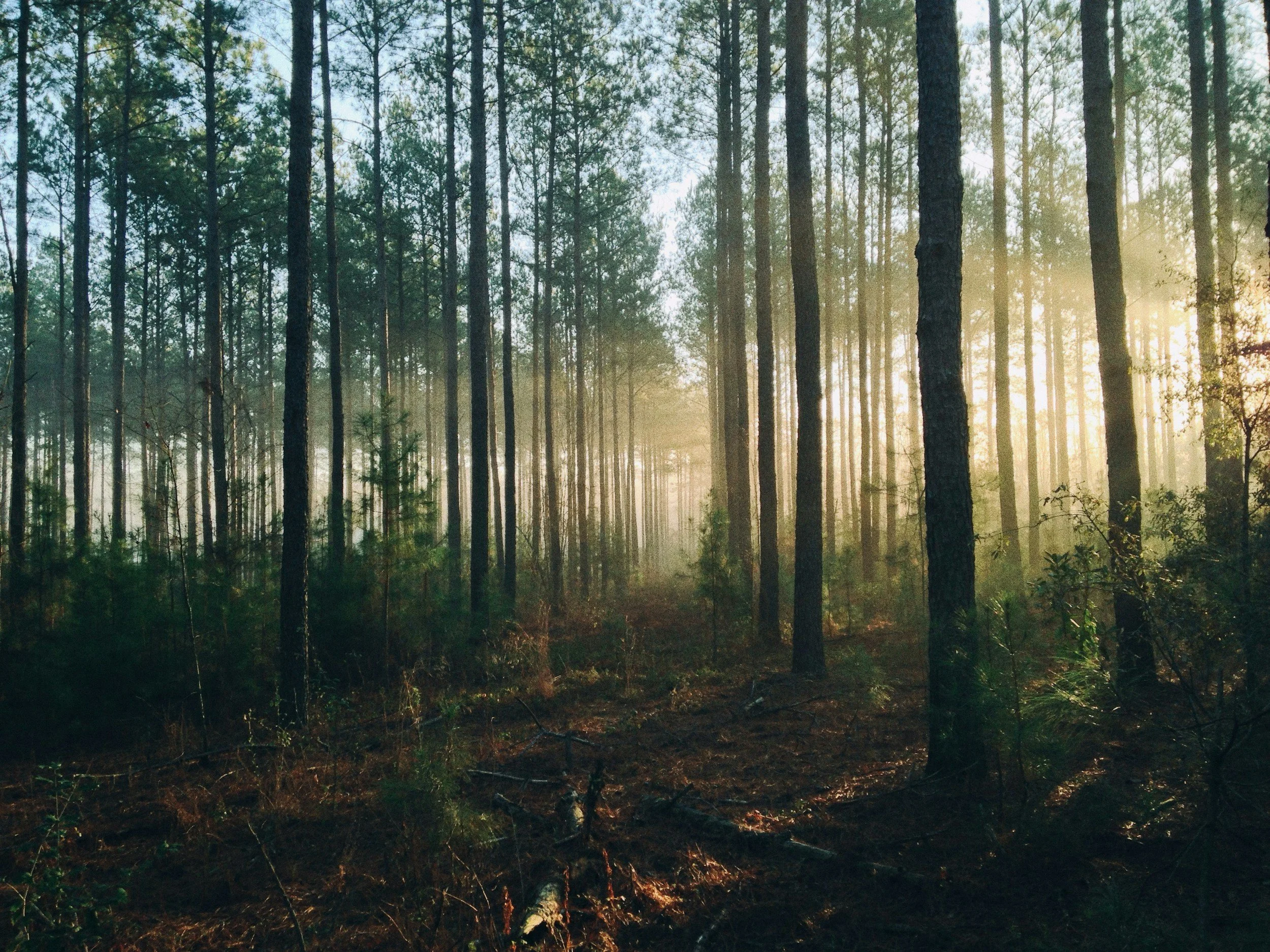
Land Is Not Owned — It Is Held in Responsibility
Many Indigenous societies reject the idea that land can be permanently owned in the modern commercial sense.
Instead, land is often understood as something inherited from ancestors and entrusted to future generations.
A common principle expressed across numerous traditions is:
you do not simply own the land — you belong to it.
Land and territory are frequently viewed as collective responsibilities rather than private commodities.
This relationship carries obligations:
Caretaking
Stewardship
Reciprocity
Responsible governance
Long-term thinking
The focus shifts from extraction and control toward continuity and responsibility.
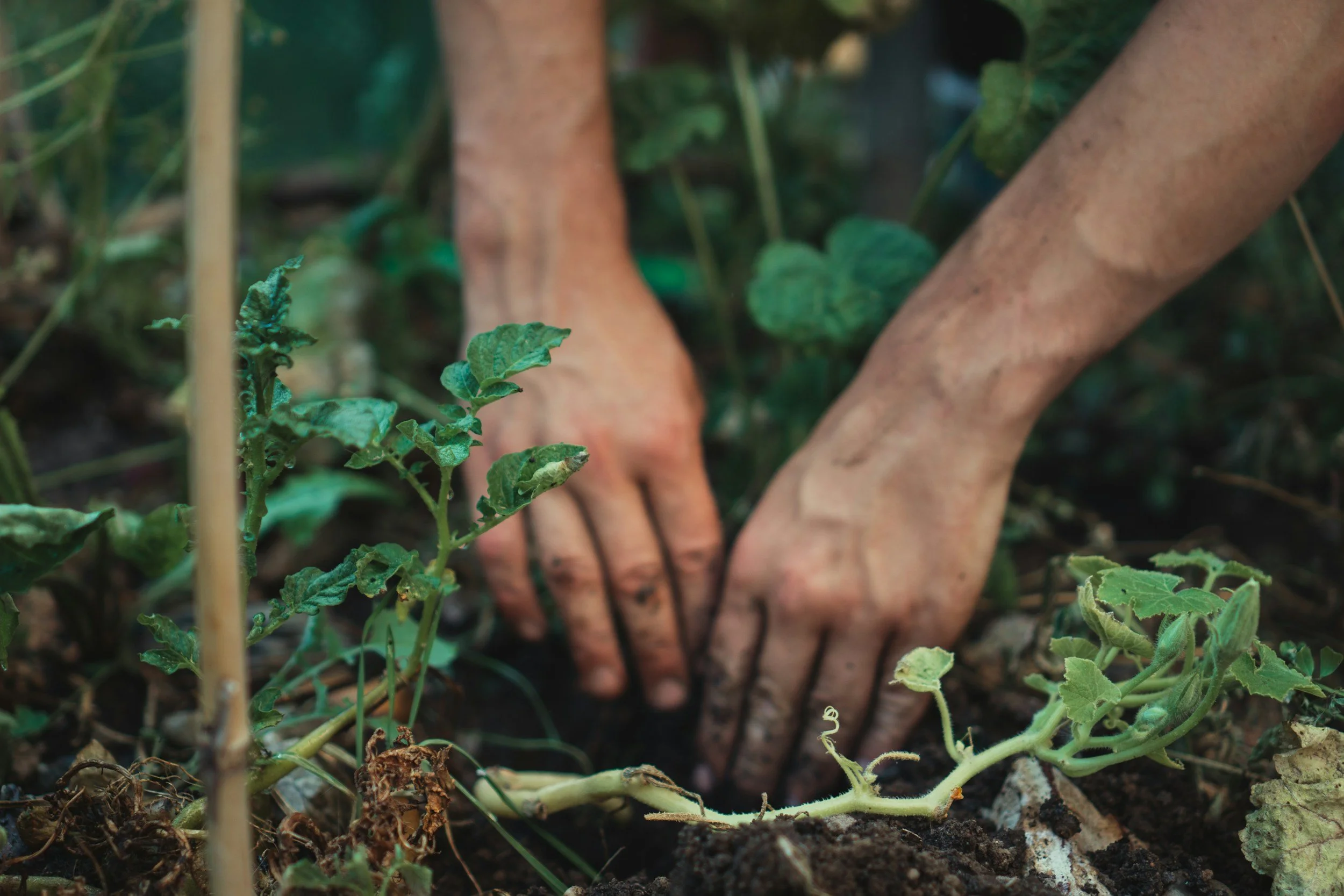
Reciprocity: Taking From Nature Requires Giving Back
Another recurring theme in many Indigenous traditions is reciprocity.
Taking from the natural world creates obligations toward it.
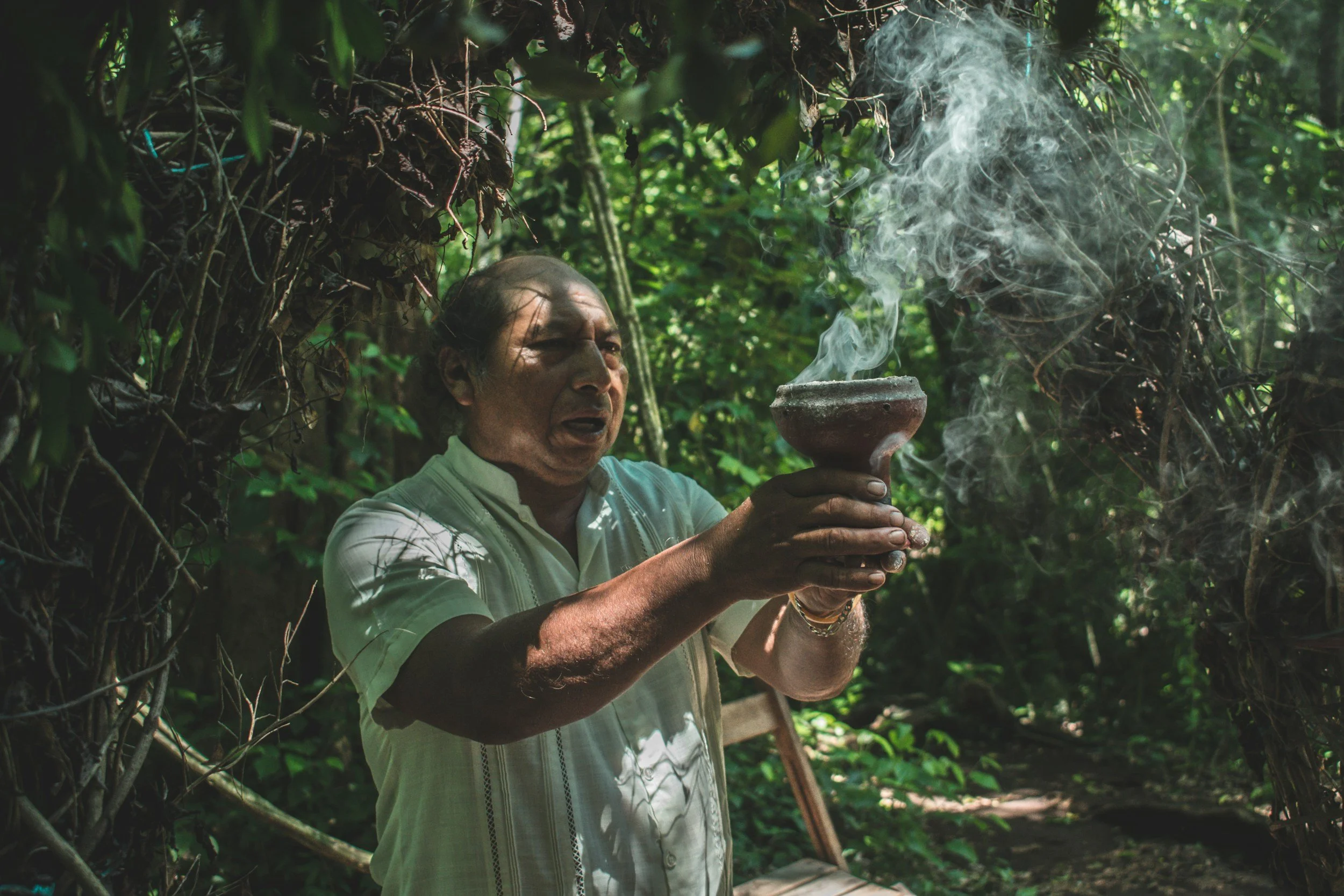
When animals are hunted, prayers or ceremonies may accompany the act.
Fishing, farming, harvesting, and gathering are often embedded within rituals of gratitude, respect, and restraint.
In many traditions, ecological rules emerge not only from practical survival needs but from moral and spiritual commitments.
These practices can include:
Seasonal harvesting limits
Rest periods for land or waters
Controlled burning practices
Ritual acknowledgment of hunted animals
Restrictions intended to maintain ecological balance
Violating reciprocity is often viewed as harmful not only environmentally, but socially and spiritually.
Sustainability becomes more than policy.
It becomes a moral obligation.
Knowledge Built Through Generations of Living With Place
Indigenous ecological knowledge is not abstract theory.
It is often developed through centuries or even millennia of living within specific landscapes.
Knowledge is passed through:
Stories
Songs
Ceremony
Observation
Oral teaching
Experience across generations
Many cultures without written traditions preserved extraordinarily detailed understandings of:
Seasonal cycles
Animal behavior
Weather patterns
Fire ecology
Water systems
Plant communities
Climate variability
Wisdom emerges through long-term intimacy with place.
People learn landscapes by living with them across generations.
Environmental Damage Is Also Cultural Damage
In many Indigenous worldviews, ecological loss is not merely environmental loss.
It is personal, social, and cultural loss.
Communities often understand their identities as deeply tied to land, ecosystems, animals, and ancestral territories.
The health of the environment and the health of the people are interconnected.
When forests disappear, rivers are polluted, or territories are destroyed, communities may experience more than economic disruption.
They may experience loss of identity, cultural continuity, spiritual relationships, and social wellbeing.
Protecting ecosystems therefore also becomes a way of protecting culture itself.
Indigenous Stewardship and Conservation
These worldviews are not merely philosophical.
They often produce measurable conservation outcomes.
Across many parts of the world, Indigenous-managed territories frequently demonstrate strong biodiversity protection and lower rates of ecological degradation.
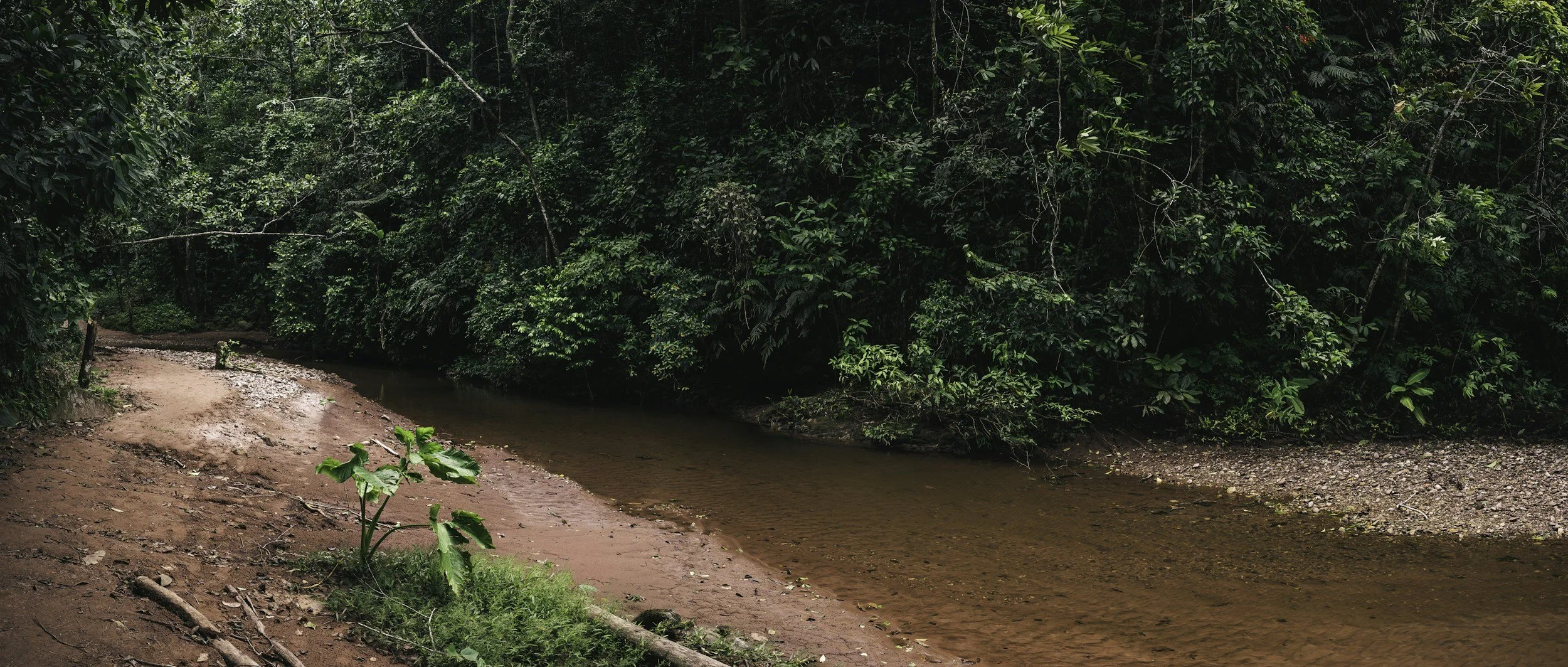
The Amazon rainforest provides a powerful example.
Research repeatedly shows that Indigenous territories often maintain lower deforestation rates and healthier ecosystems than surrounding regions — in some cases outperforming government-designated protected areas.
Long-standing spiritual relationships, local ecological knowledge, stewardship traditions, and collective responsibility can create powerful systems of environmental protection.
Increasingly, conservation scientists, governments, and international institutions are recognizing this reality.
What Modern Society Can Learn
Indigenous worldviews challenge several core assumptions common in industrial societies:
Unlimited growth
Endless extraction
Absolute ownership rights
Nature as a commodity
Human dominance over ecosystems
Instead, many Indigenous traditions emphasize:
Reciprocity
Ethical limits
Long-term thinking
Collective responsibility
Relationship over ownership
Belonging within nature rather than domination over it
These ideas are increasingly influencing modern conversations about climate change, conservation, biodiversity, and sustainability.
Recent international environmental forums, including United Nations climate gatherings, have increasingly acknowledged Indigenous knowledge and leadership in environmental protection.
Why Indigenous Perspectives Matter in the Climate Era
As climate change, biodiversity loss, deforestation, and resource depletion intensify, many societies are searching for better ways to live within ecological limits.
Indigenous cultures do not offer one single universal model.
They are diverse, complex, and distinct.
But many share enduring lessons about relationship, restraint, responsibility, and coexistence with the living world.
The growing recognition of Indigenous stewardship is not simply about honoring cultural traditions.
It is also about acknowledging something increasingly difficult to ignore:
Some of humanity’s most effective models for caring for ecosystems may come from communities that have been practicing those relationships for thousands of years.