Madagascar: The World Apart Where Evolution Took Its Own Path
Part of my Mega-Diverse Countries Mini-Series
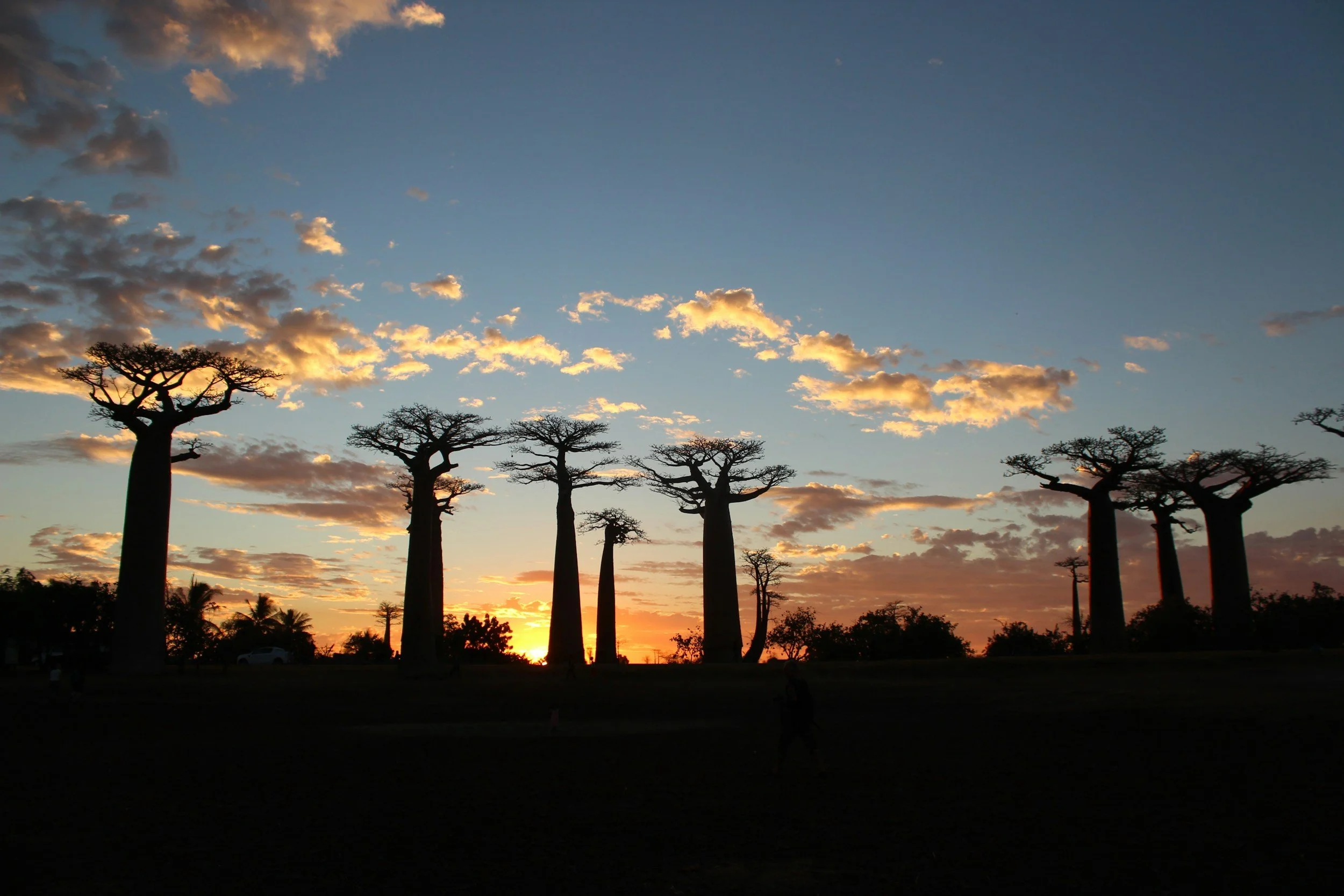
Madagascar
About 250 miles off the southeast coast of Africa lies one of the most extraordinary places on Earth: Madagascar.
Roughly the size of Texas or France, this island nation is far more than a tropical destination. Madagascar is one of the world’s great megadiverse countries — places with exceptionally high biodiversity and large numbers of endemic species, meaning species found nowhere else on the planet.
To understand Madagascar is to step into a parallel version of Earth, where millions of years of isolation allowed evolution to create plants and animals unlike anything found anywhere else.
And yet today, this biological treasure faces an existential threat.
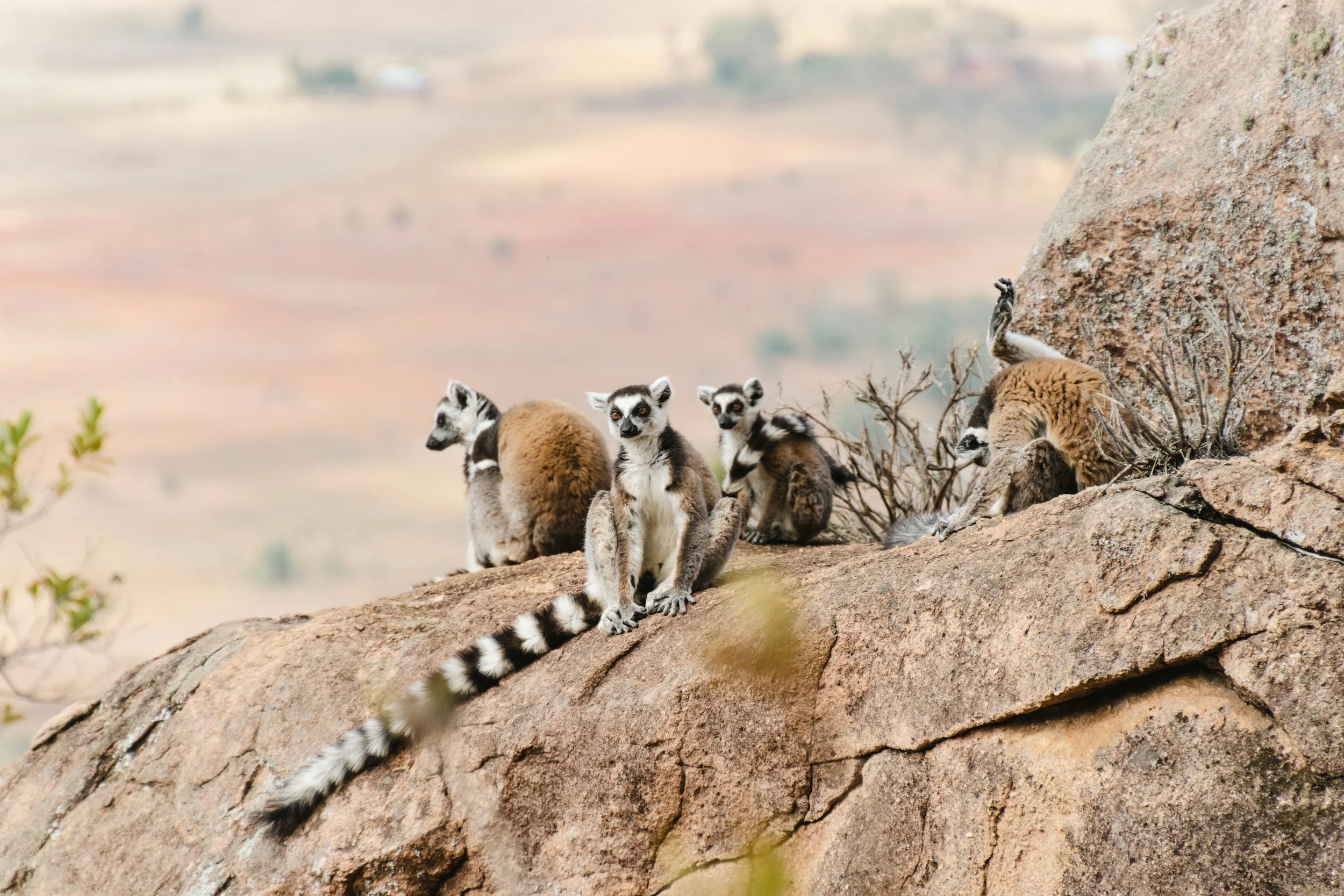
Lemurs
How Madagascar Became a Biological Time Capsule
Hundreds of millions of years ago, the continents were fused together into a giant supercontinent. Over immense stretches of geological time, land masses separated, drifted, and reshaped the globe.
Madagascar eventually split from the Indian subcontinent around 90 million years ago, becoming isolated from Africa and the rest of the world. That isolation changed everything.
When species evolve in isolation for millions of years, they often take radically different evolutionary paths. That is precisely what happened in Madagascar.
Today, about 70% of Madagascar’s flora and fauna are endemic. Many species that evolved there exist nowhere else on Earth.
A Land of Contrasting Ecosystems
Madagascar is not one uniform environment. Like many megadiverse countries, it contains remarkably varied ecosystems.
Its eastern coast receives humid rainfall and powerful cyclones coming from the Indian Ocean, supporting lush forests. The central highlands are cooler and drier. Southern regions contain unusual semi-arid habitats, including spiny forests filled with strange, drought-adapted vegetation.
This environmental diversity helped fuel an explosion of evolutionary experimentation.
Madagascar is home to 170 species of palms, more than the entire African continent. Many native plants have also contributed to pharmaceutical research, including compounds used in treatments for leukemia and other cancers.
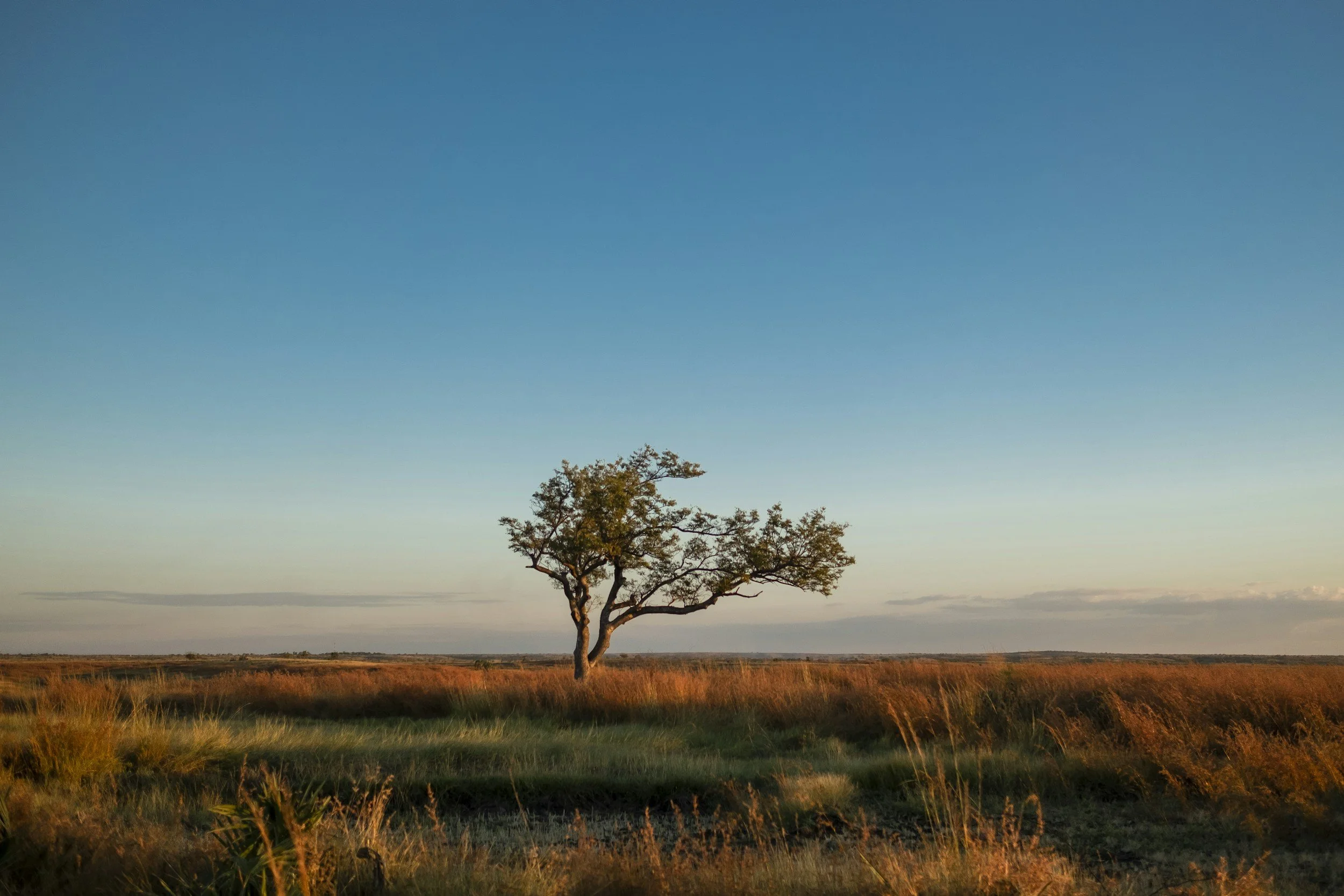
Madagascar Highlands
The Kingdom of Lemurs
No animal symbolizes Madagascar more than the lemur.
Lemurs are primates, but unlike Africa, Asia, or South America, Madagascar has no monkeys, apes, or gorillas. Instead, lemurs evolved largely without competition from other primates, diversifying into more than 100 species.
Perhaps the most recognizable is the ring-tailed lemur, famous for its striking black-and-white striped tail.
These highly social animals communicate through complex vocalizations and scent signaling. Special glands in their wrists produce chemical secretions that they rub onto their tails and wave through the air during social and mating displays. Their lower teeth form comb-like grooming tools that continue to grow throughout their lives.
But Madagascar’s lemurs are in trouble.
The ring-tailed lemur population has plummeted, driven largely by habitat destruction from deforestation. And tragically, all lemur species in Madagascar are now endangered or threatened.
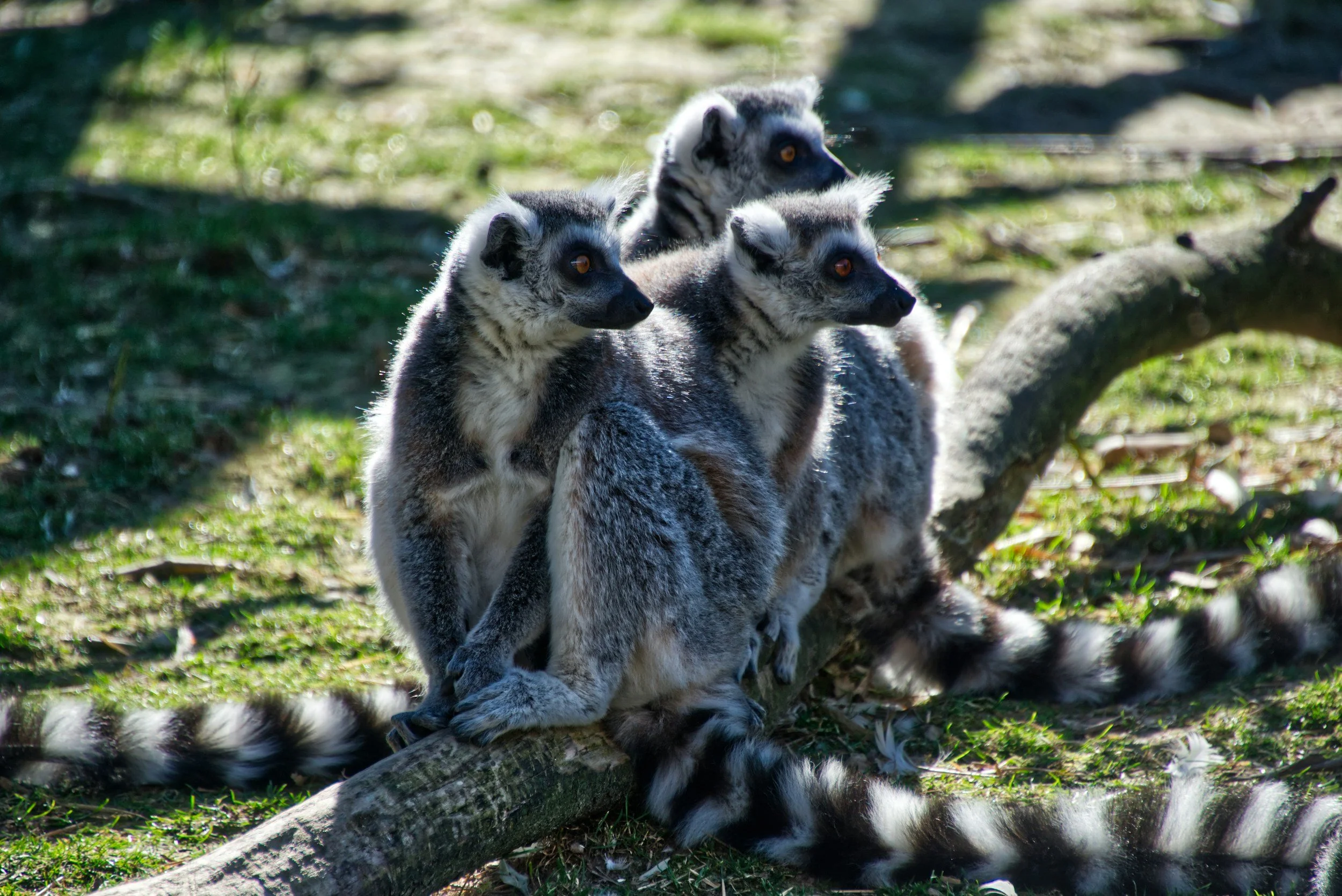
Lemurs
The Strange and Extraordinary Wildlife of Madagascar
Madagascar’s biodiversity goes far beyond lemurs.
The island contains 260 reptile species, about 90% of them endemic. It is especially famous for its geckos and chameleons. In fact, roughly two-thirds of the world’s chameleon species live in Madagascar.
Some species seem almost invented by fantasy.
The tiny nano chameleon is so small it can perch on the tip of a finger, scarcely larger than a fly. At the other extreme, the Parson’s chameleon can grow nearly two feet long, displaying brilliant emerald coloration and striking red eyes.
Then there is the mysterious aye-aye, one of Madagascar’s most unusual lemurs.
Nocturnal and tree-dwelling, the aye-aye possesses an elongated middle finger with remarkable mobility. It taps tree trunks almost like a woodpecker, listening for hollow sounds that reveal insect larvae hidden beneath the bark. It then gnaws through the wood and extracts prey using its specialized finger.
Unfortunately, folklore has sometimes worked against the species. Some local traditions view the aye-aye as an omen of death, contributing to persecution alongside hunting pressure.
Madagascar also hosts:
The fossa, a cat-like carnivore and the island’s top mammalian predator
The critically endangered spider tortoise, targeted by the illegal pet trade
Highly camouflaged nocturnal geckos that resemble bark and dead leaves
The bizarre giraffe-necked weevil, whose males sport dramatically elongated necks
Evolution on Madagascar often feels less like biology and more like science fiction.
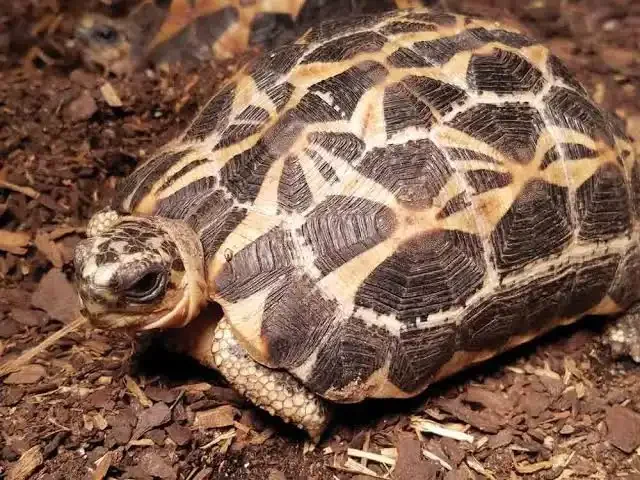
Spider Tortoise
Giants That Disappeared
Humans arrived in Madagascar only about 2,000 years ago, making it one of the last major regions of Earth settled by people.
Before human arrival, Madagascar was home to creatures that sound almost mythical.
There were giant lemurs, far larger than those living today. Massive elephant birds, the largest birds known to have existed, stood roughly 10 feet tall. A unique Malagasy pygmy hippopotamus once inhabited the island as well.
Many scientists believe human hunting and environmental change contributed to the disappearance of these remarkable species.
Their extinction offers a sobering reminder of how quickly isolated ecosystems can unravel.
The Crisis: Deforestation and Poverty
Madagascar’s biodiversity crisis cannot be understood without recognizing the country’s profound economic challenges.
Madagascar is among the poorest nations in the world. Many people depend directly on forests for charcoal, food, farmland, and building materials. Small-scale farmers often rely on slash-and-burn agriculture, clearing forest, burning vegetation, and temporarily farming nutrient-rich soils.
The consequences have been devastating.
Approximately 90% of Madagascar’s forests have disappeared over the past century, leaving fragmented habitats and pushing countless species toward extinction. In 2018, Madagascar experienced the world’s highest proportional tropical forest loss relative to its land area.
This creates a difficult conservation reality.
Protecting biodiversity is essential. But conservation efforts must also grapple with poverty, resource dependence, and human survival.
Can Madagascar’s Wildlife Be Saved?
Despite the challenges, there is still reason for hope.
Madagascar maintains 144 protected wildlife areas, and conservation organizations, NGOs, and government agencies are working to restore ecosystems, expand protected land, and support sustainable livelihoods.
Programs are helping local communities develop sustainable fishing, restore mangrove forests, and recognize the economic value of ecotourism and intact ecosystems. Organizations like the World Wildlife Fund and the Peregrine Fund manage protected landscapes that shelter forests, wetlands, and wildlife habitats.
One especially important region is the Masoala Peninsula, home to some of Madagascar’s last remaining lowland rainforests. There, red ruffed lemurs, rare birds, coral reefs, sea turtles, dolphins, and humpback whales still survive in one of the planet’s most extraordinary ecological mosaics.
Why Madagascar Matters to the World
Madagascar is not simply an island nation with unusual wildlife.
It is a living laboratory of evolution — a place where life followed its own trajectory for tens of millions of years.
When a species disappears from Madagascar, we are not losing something common. We are losing something that may have existed nowhere else on Earth.
The challenge facing Madagascar is ultimately a global one: how do we protect irreplaceable biodiversity while addressing poverty, human needs, and sustainable development?
The answer matters not just for Madagascar’s lemurs, chameleons, forests, and reefs.
It matters for the future of conservation itself.